The Rise of an Empire
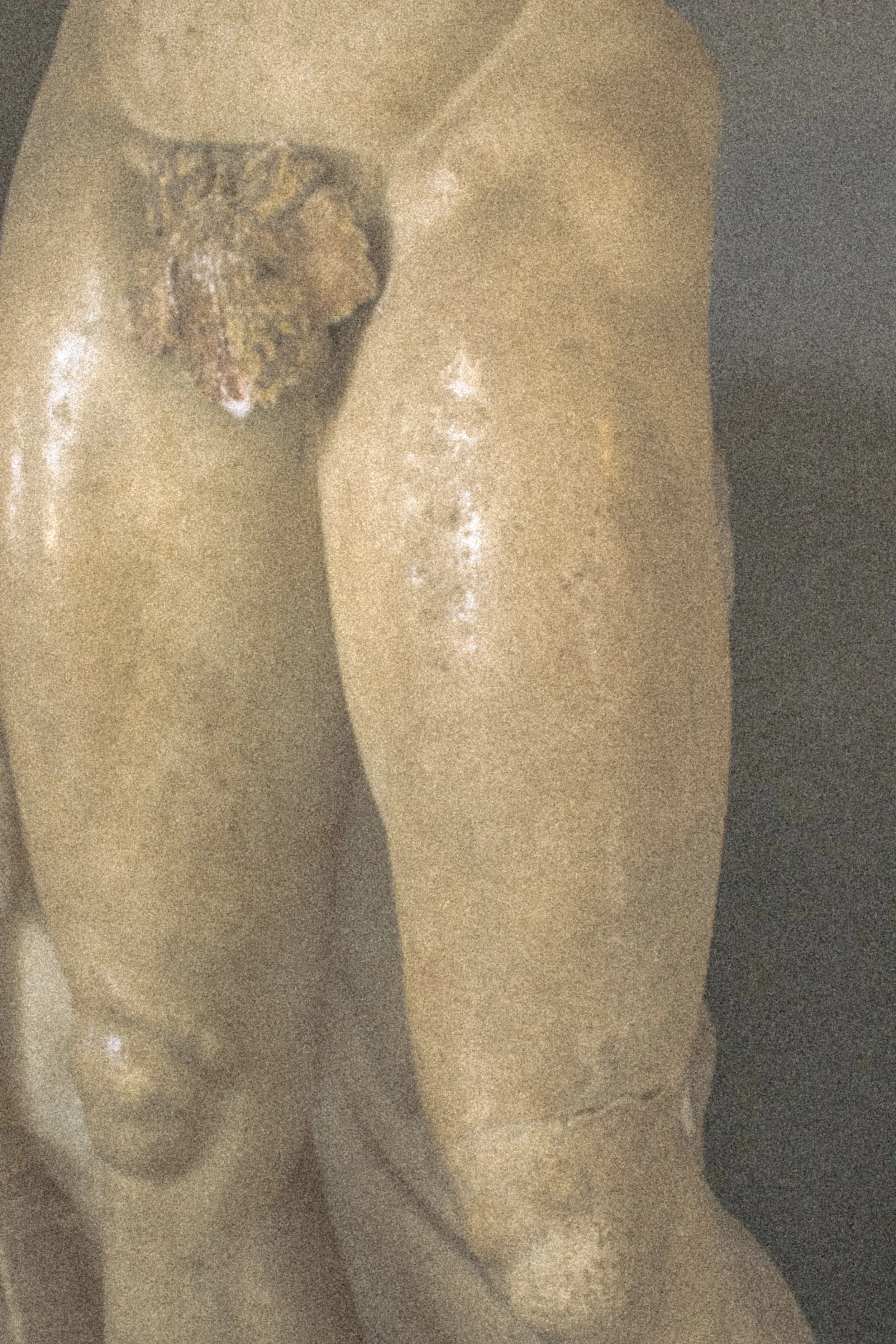
Muscular thighs in marble. Soft cotton from Egypt. The suave, spicy scent of oud and amber from the Orient.
The Roman Empire sacralized the senses in all of their forms.
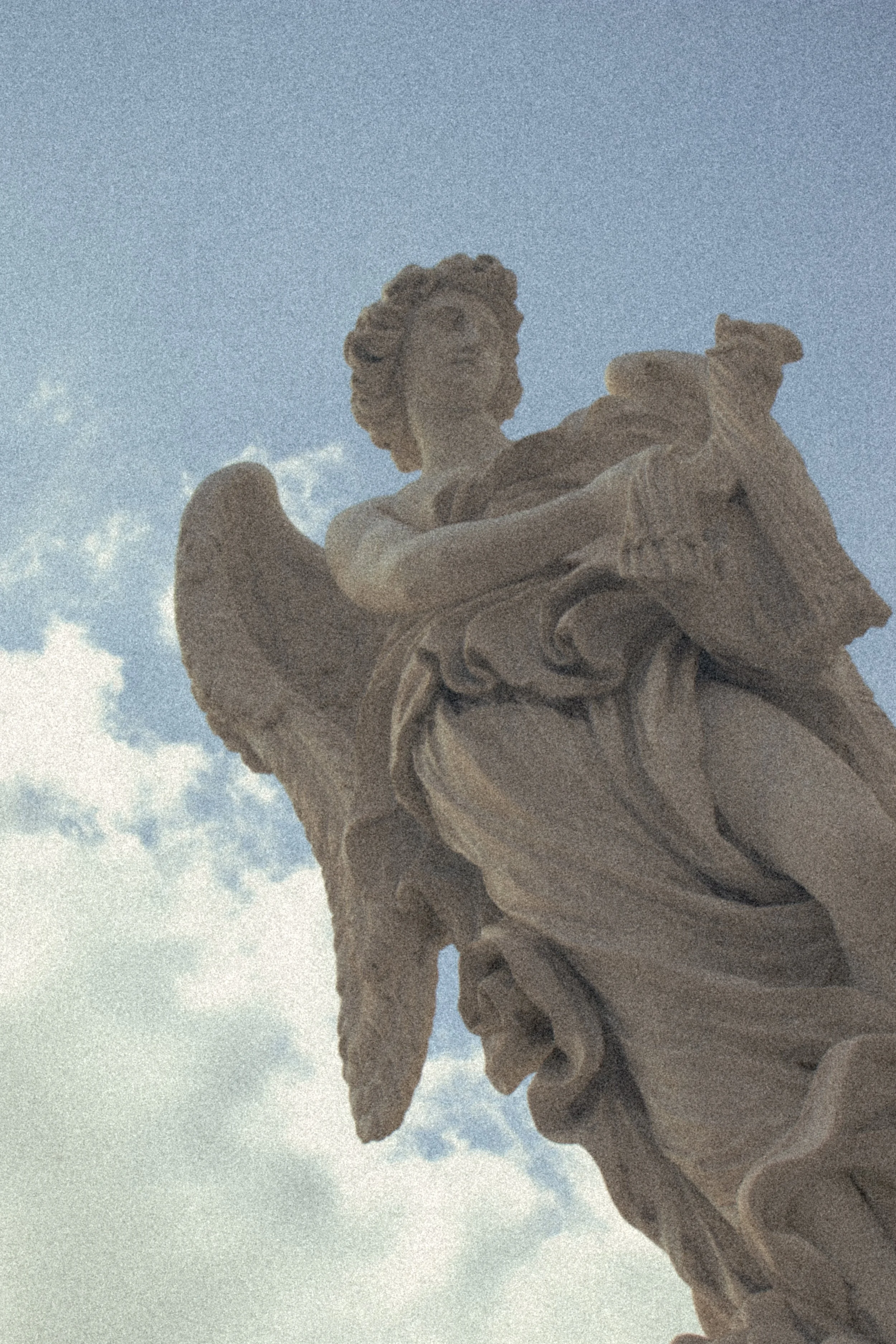
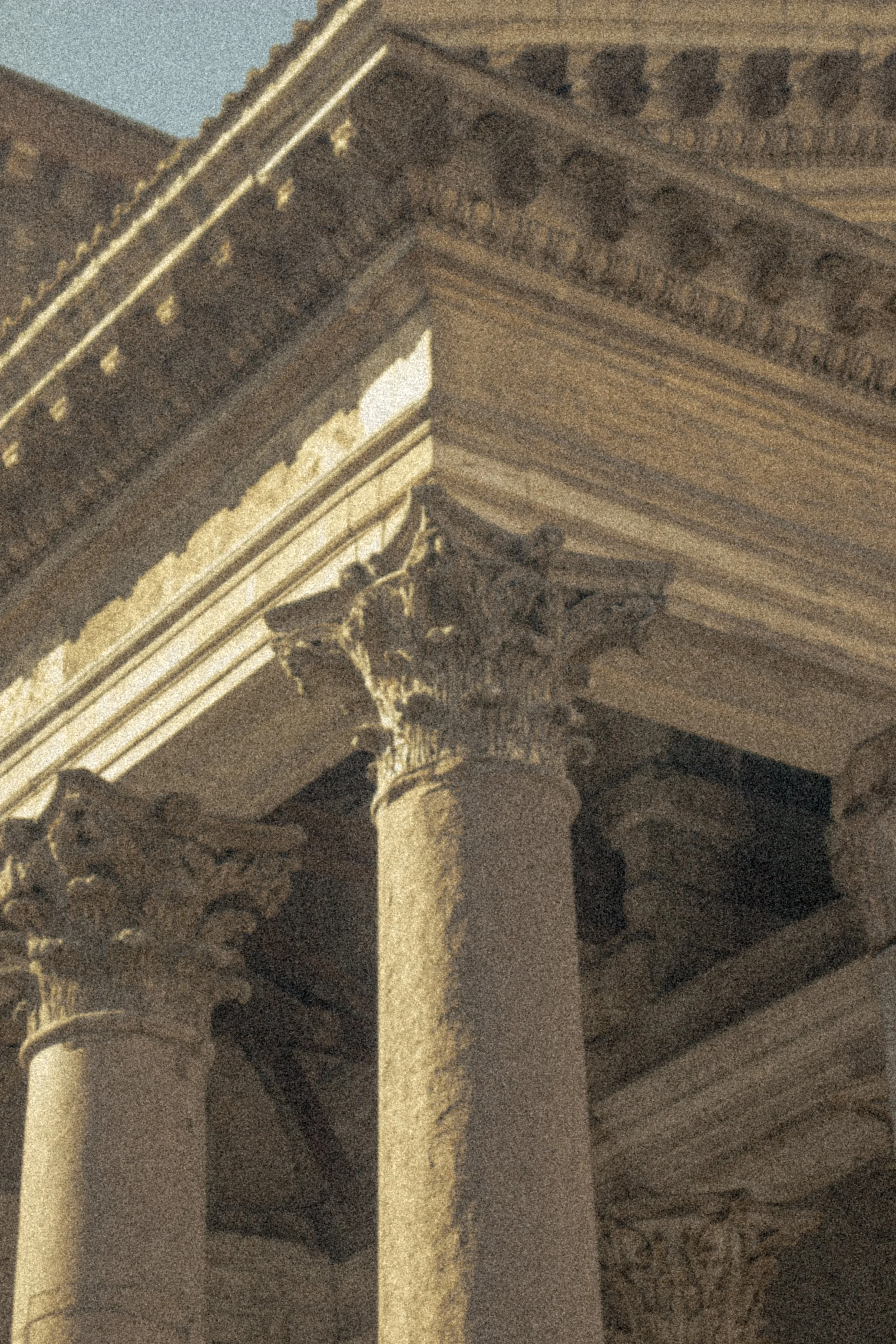
Walk through Rome, and you feel it before you understand it. A warmth that comes from the stone itself, from centuries of hands that touched, built, offered. The light falls differently here. Heavier, more golden, as if it carries the memory of every sunset that came before it. You stop in front of a sculpture, and something moves in you that has no name. Not admiration. Something older. The recognition of beauty as a necessity, not a luxury.
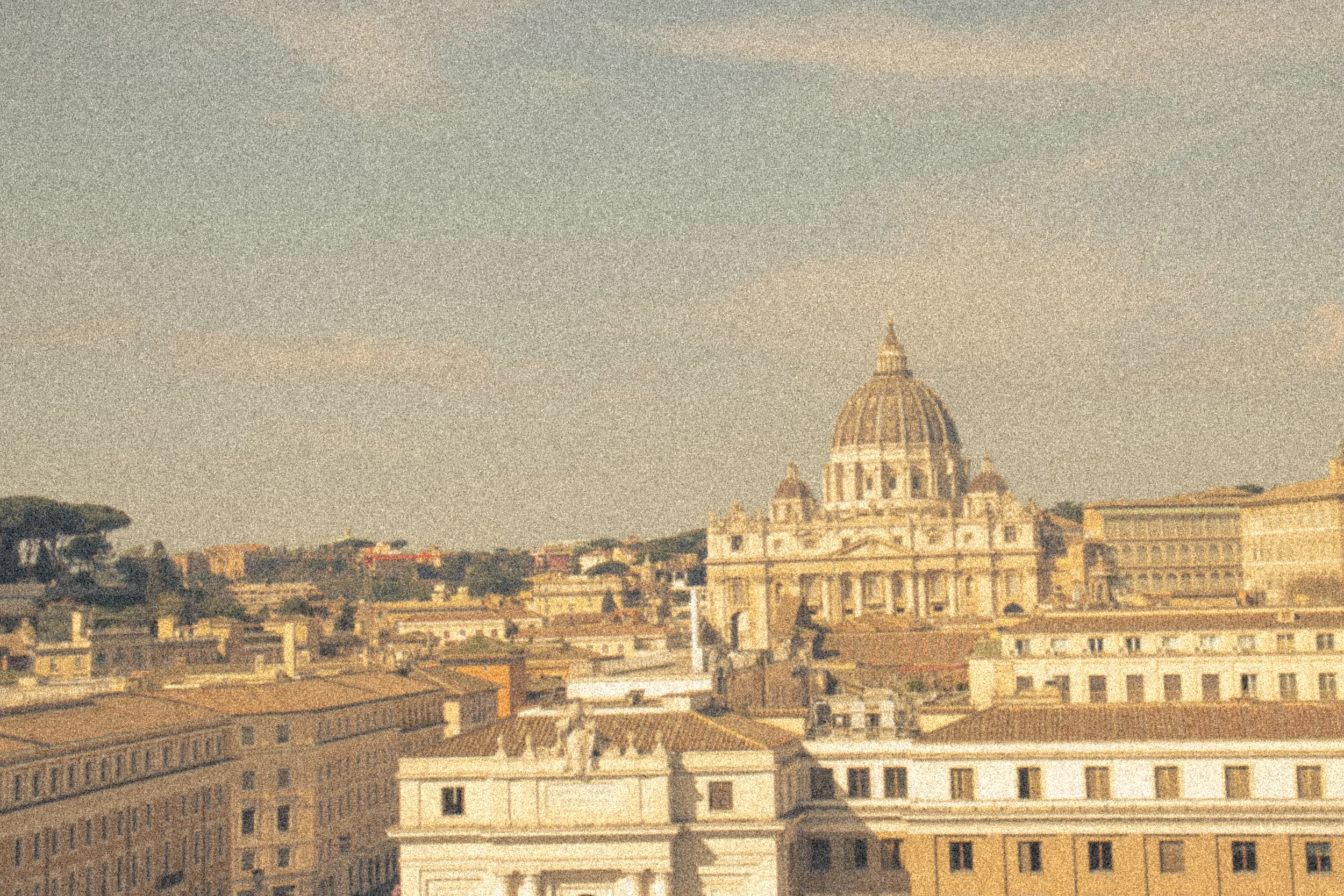
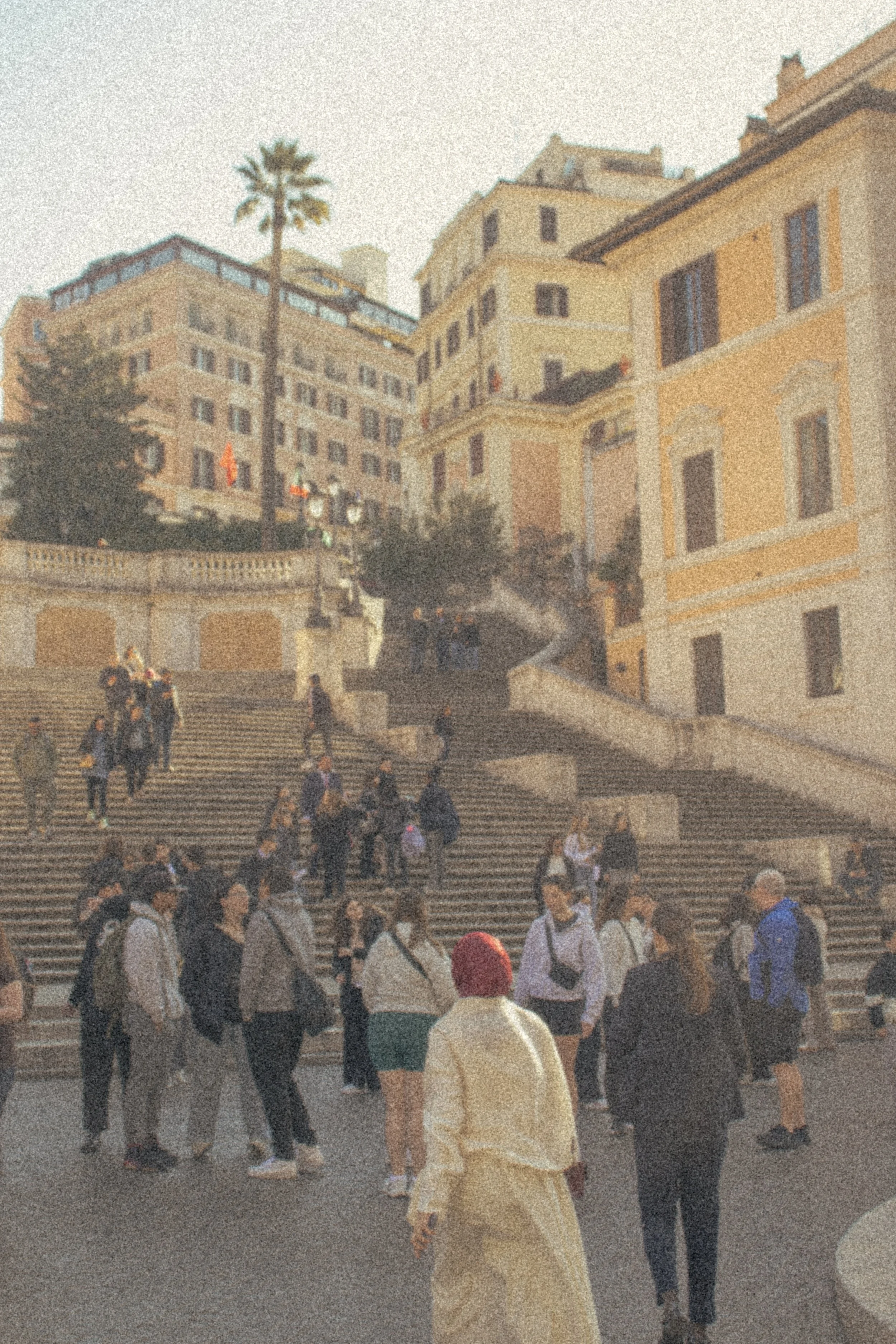
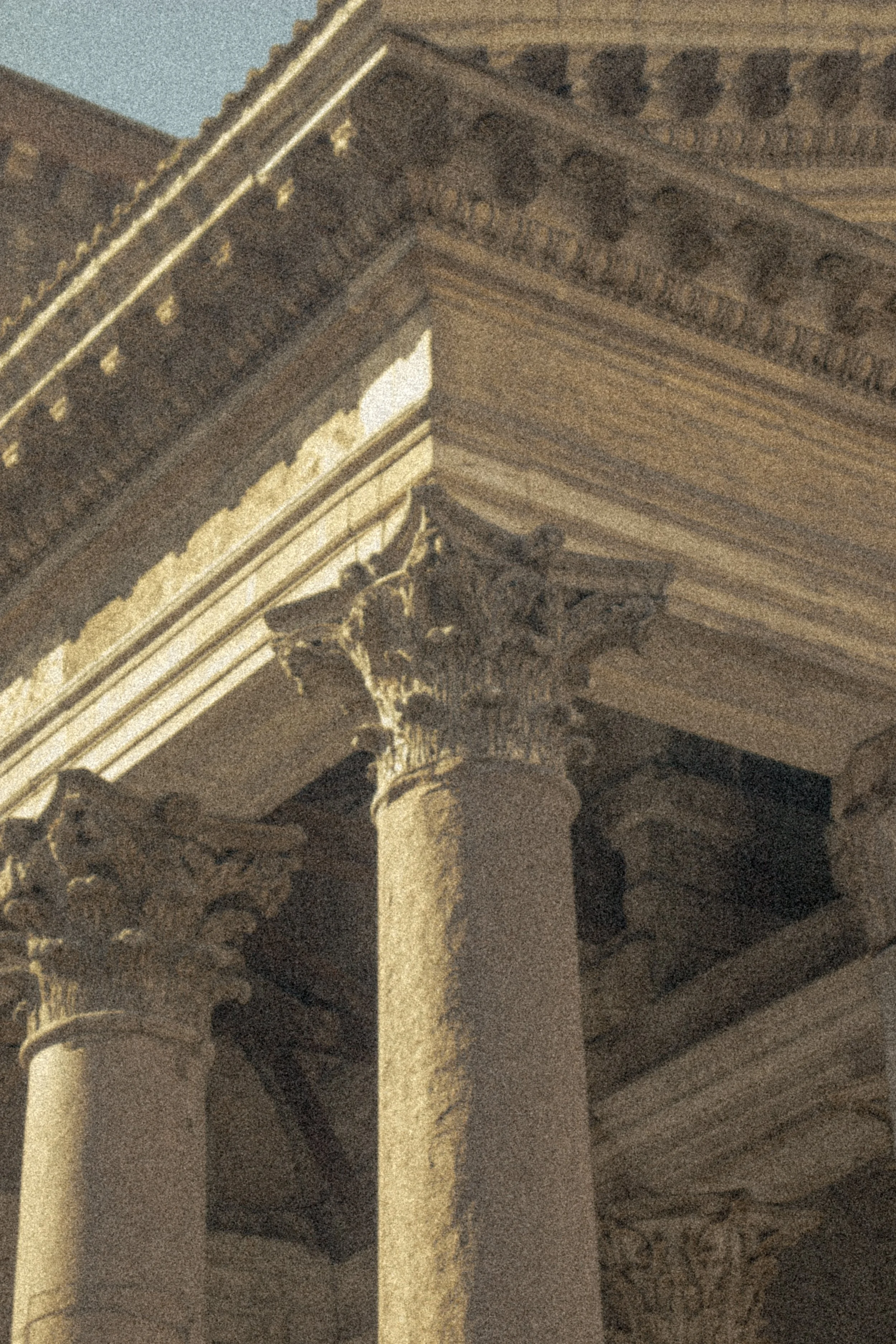
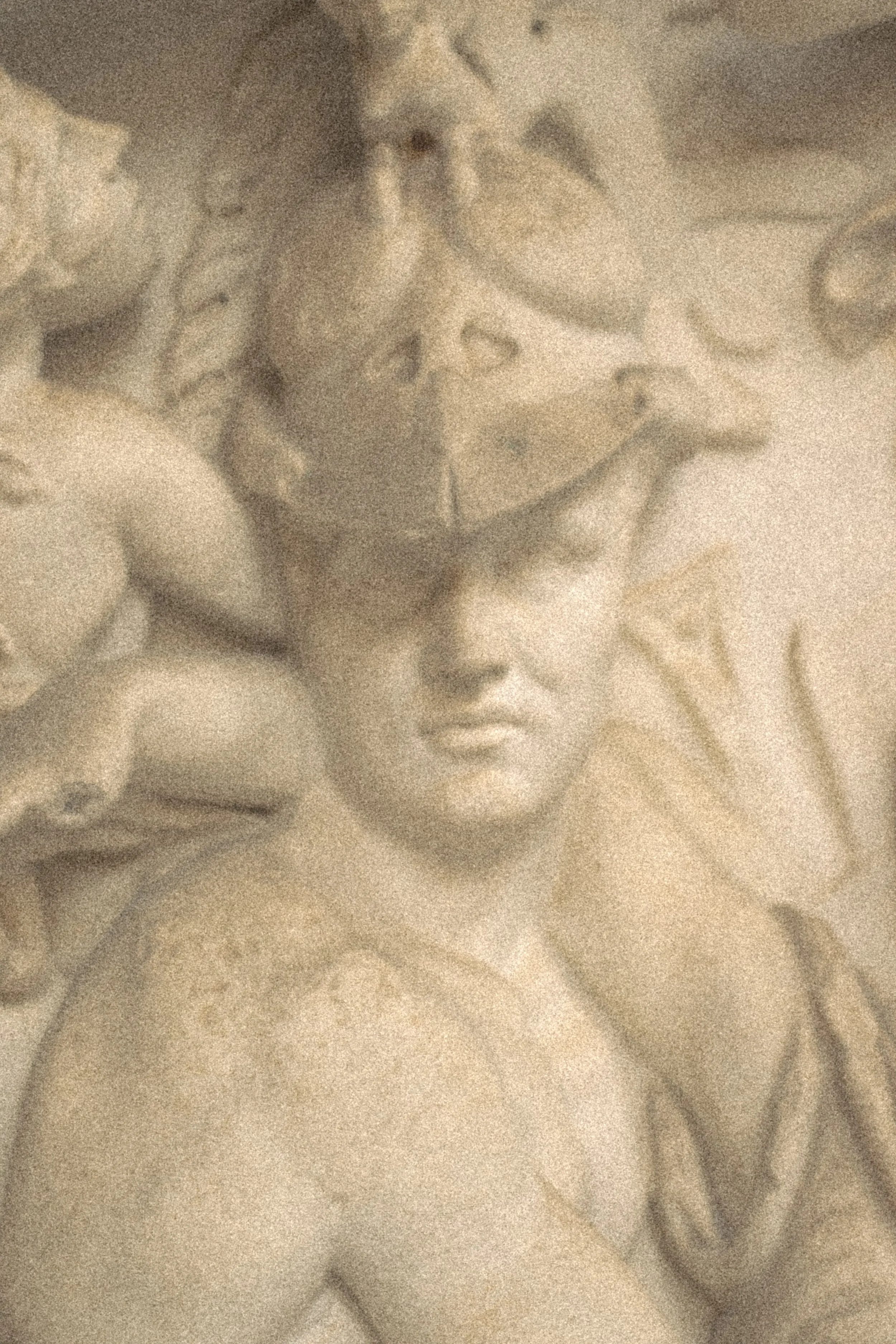
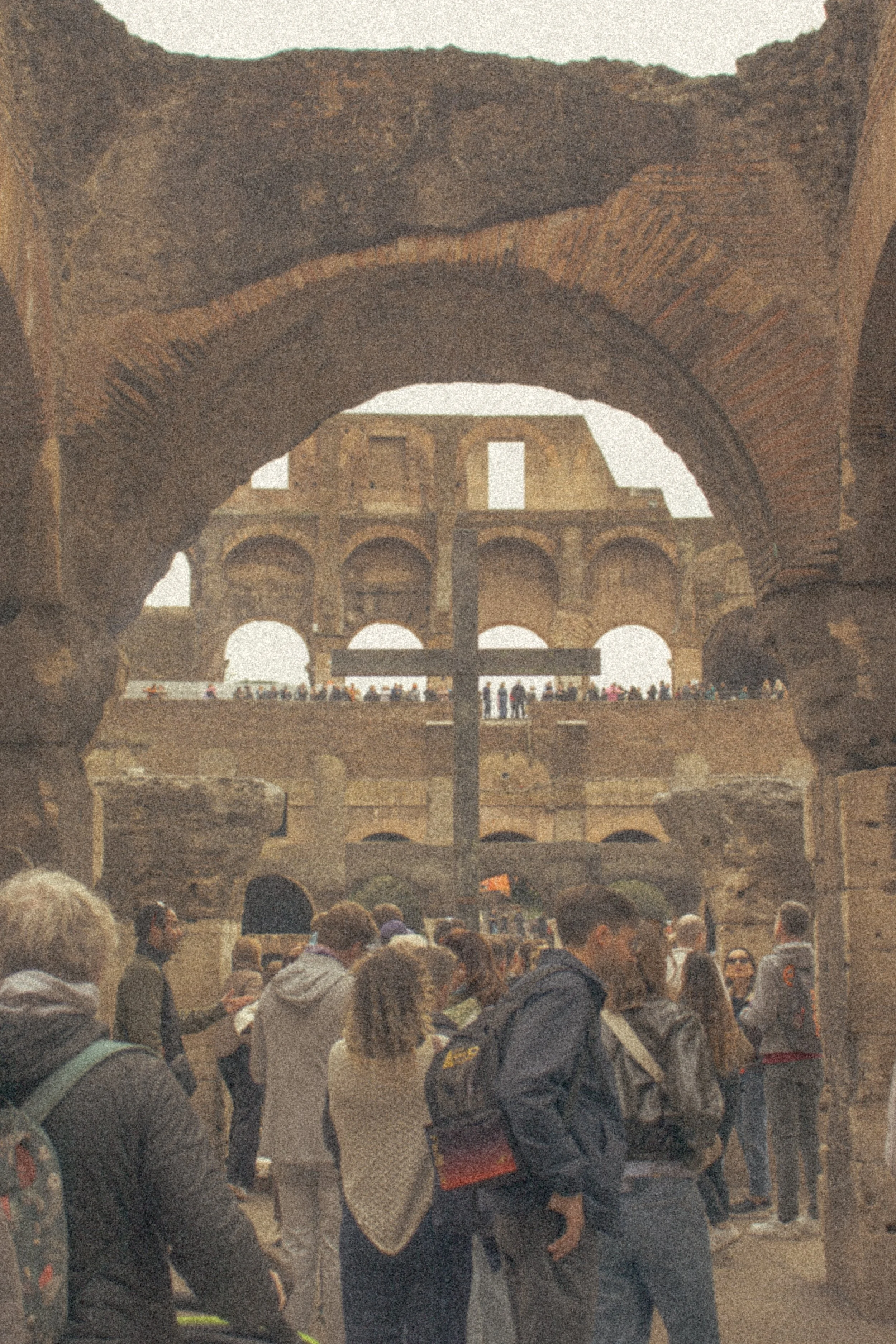
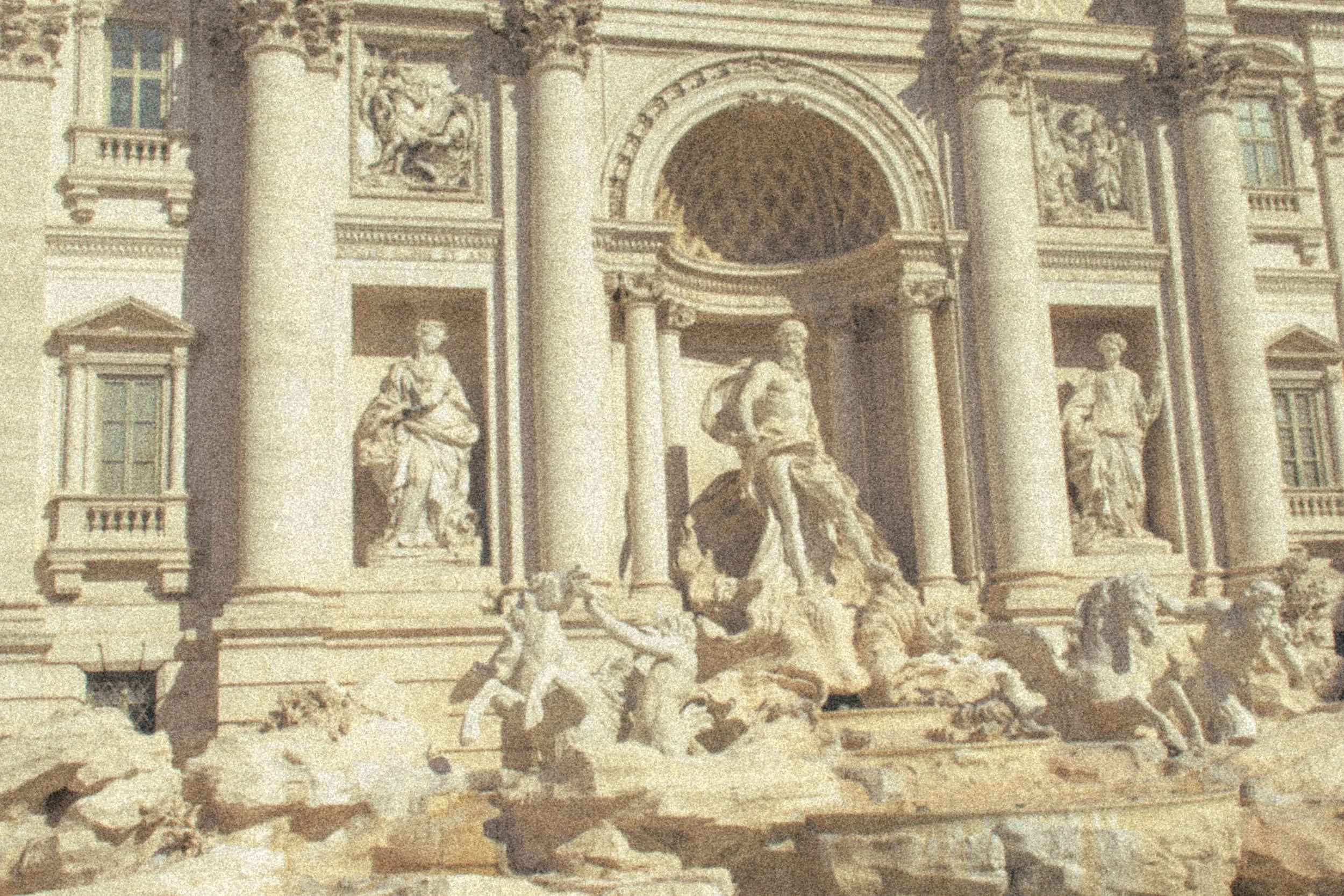
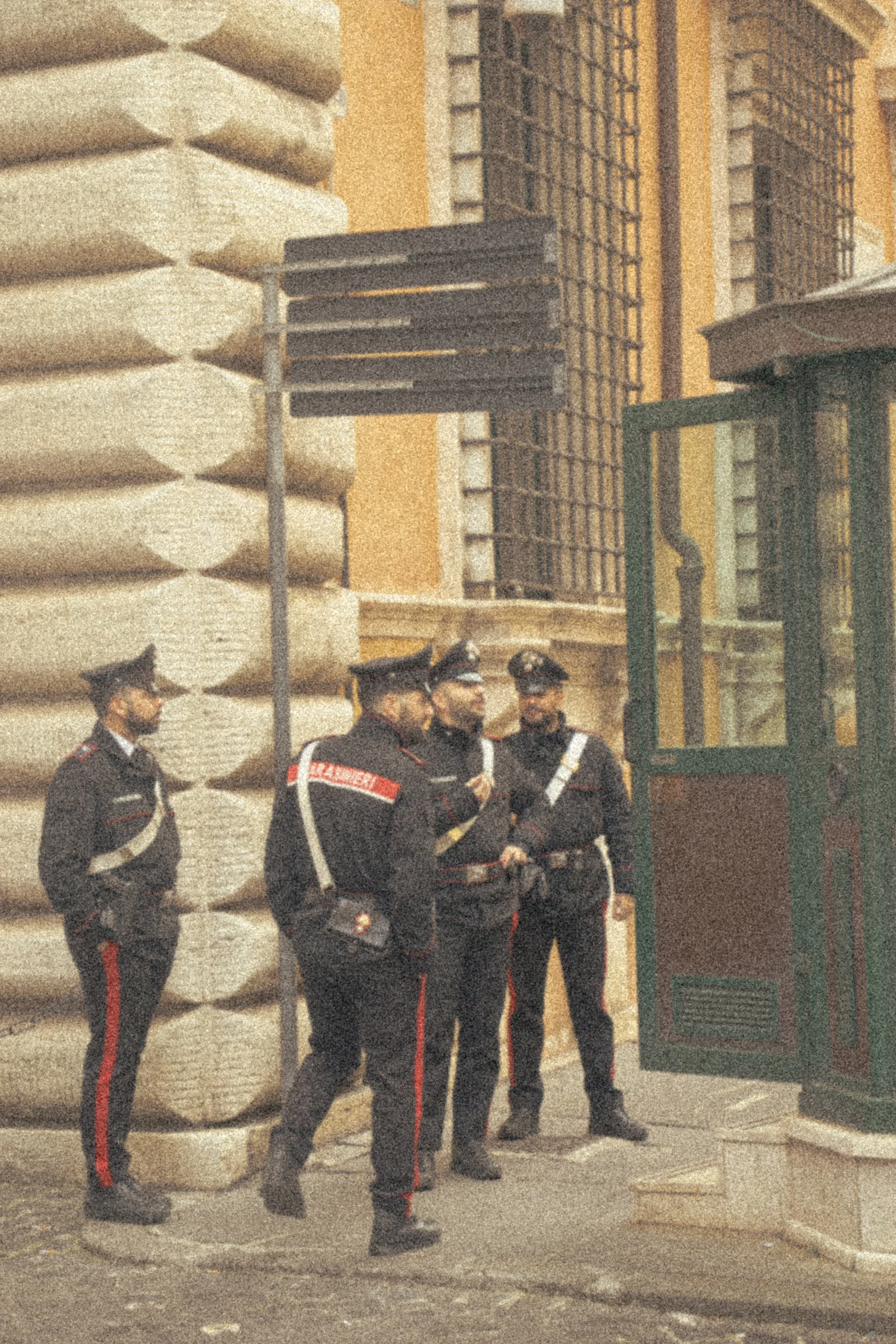
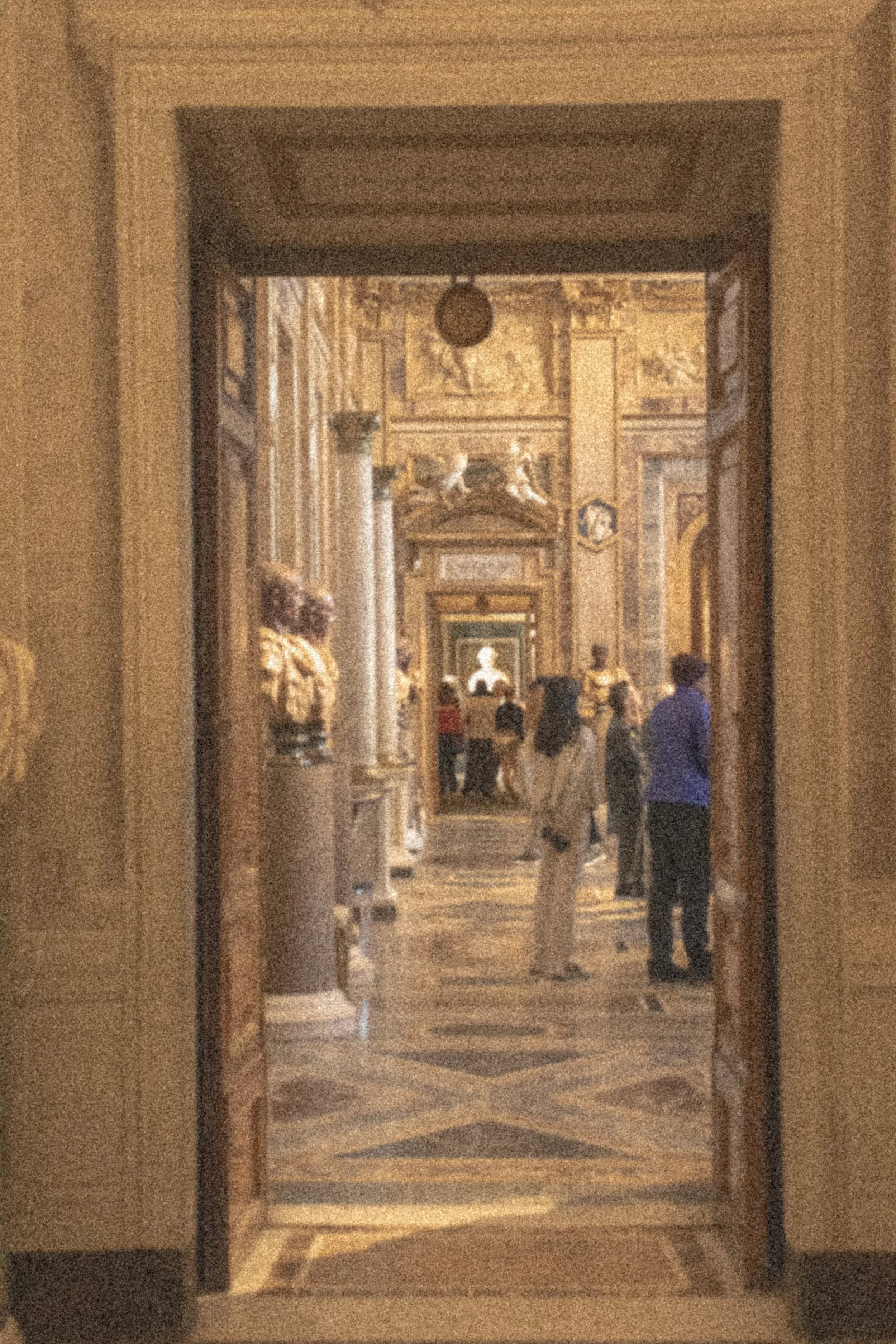
This series is an attempt to go back in time through 9 images. Back to a prosperous moment when enjoying life was a leitmotif. Back when human warmth was present in every interaction. Back when small details were ornaments worth stopping for.
The grandeur
Muscular thighs in marble. Soft cotton from Egypt. The suave, spicy scent of oud and amber from the Orient.
The Roman Empire sacralized the senses in all of their forms.
Walk through Rome, and you feel it before you understand it. A warmth that comes from the stone itself, from centuries of hands that touched, built, offered. The light falls differently here. Heavier, more golden, as if it carries the memory of every sunset that came before it. You stop in front of a sculpture, and something moves in you that has no name. Not admiration. Something older. The recognition of beauty as a necessity, not a luxury.
This series is an attempt to go back in time through 9 images. Back to a prosperous moment when enjoying life was a leitmotif. Back when human warmth was present in every interaction. Back when small details were ornaments worth stopping for.
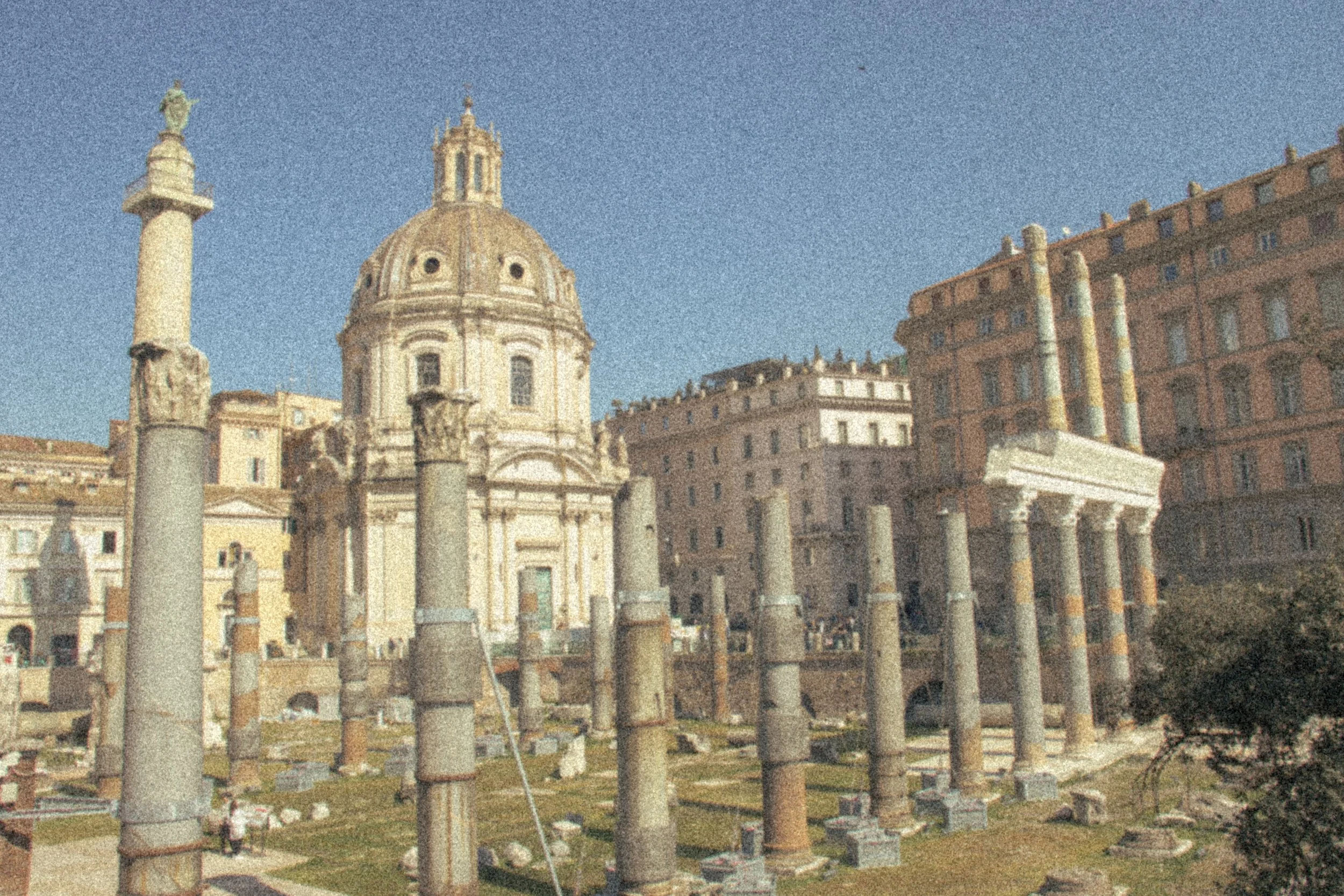
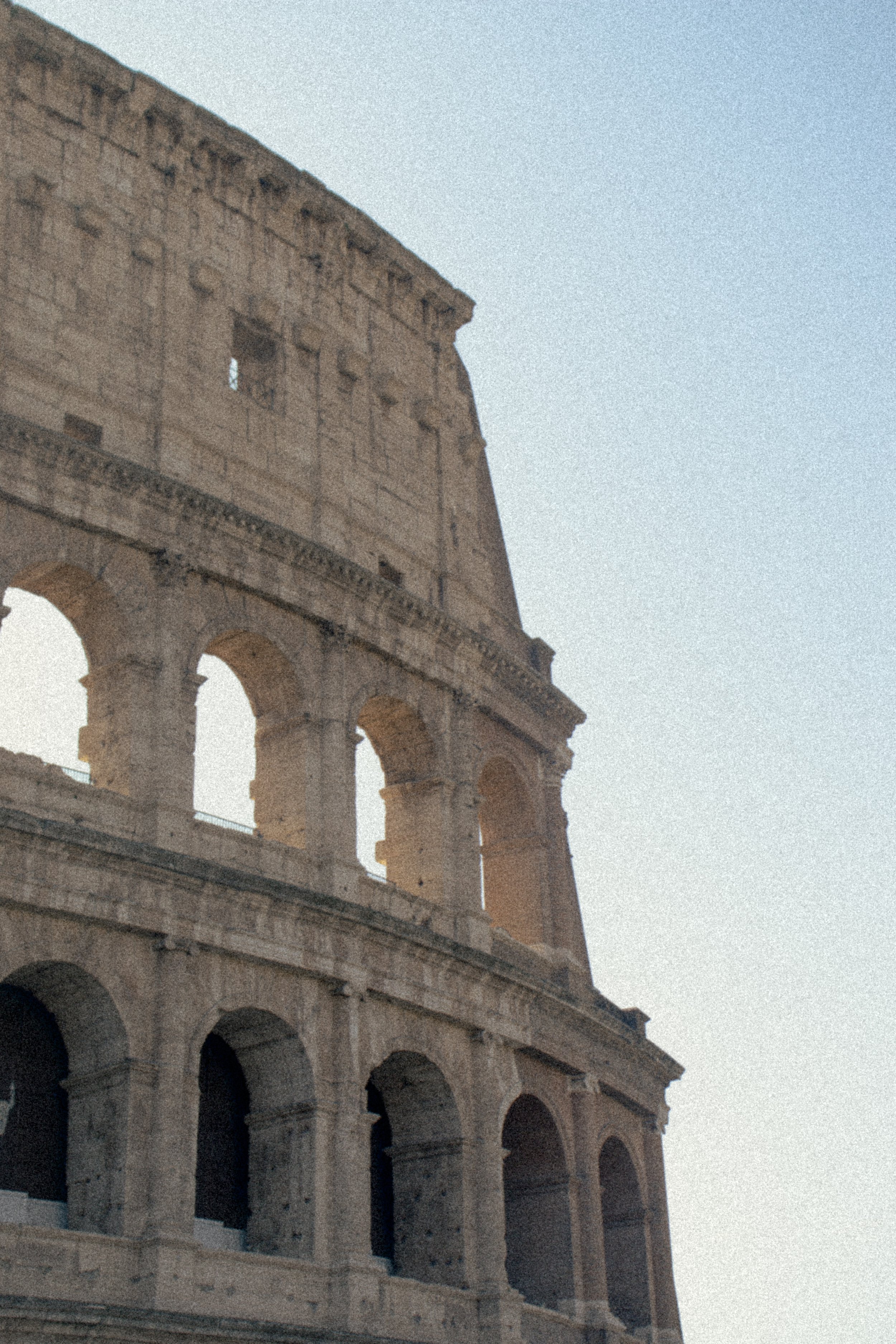
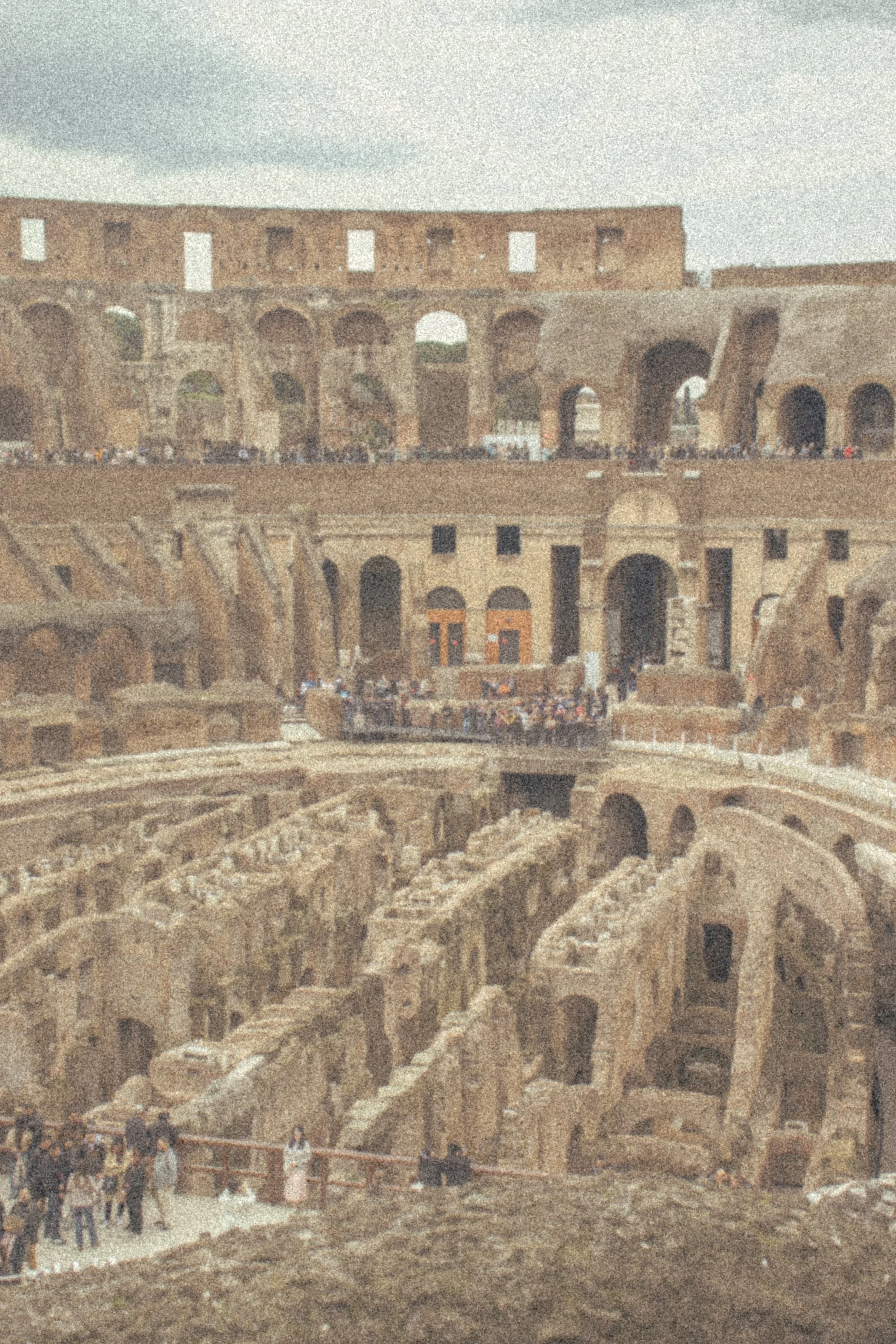
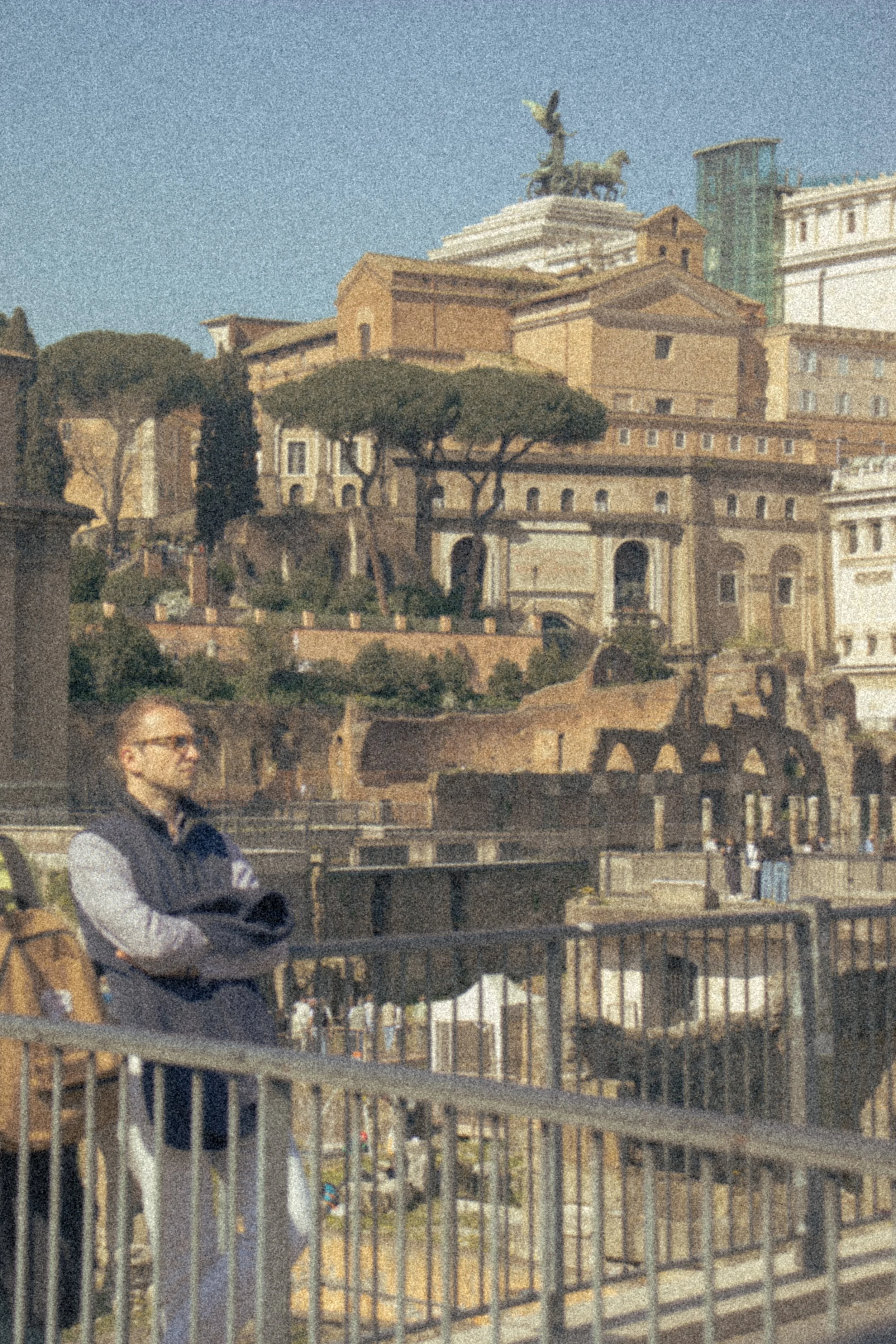
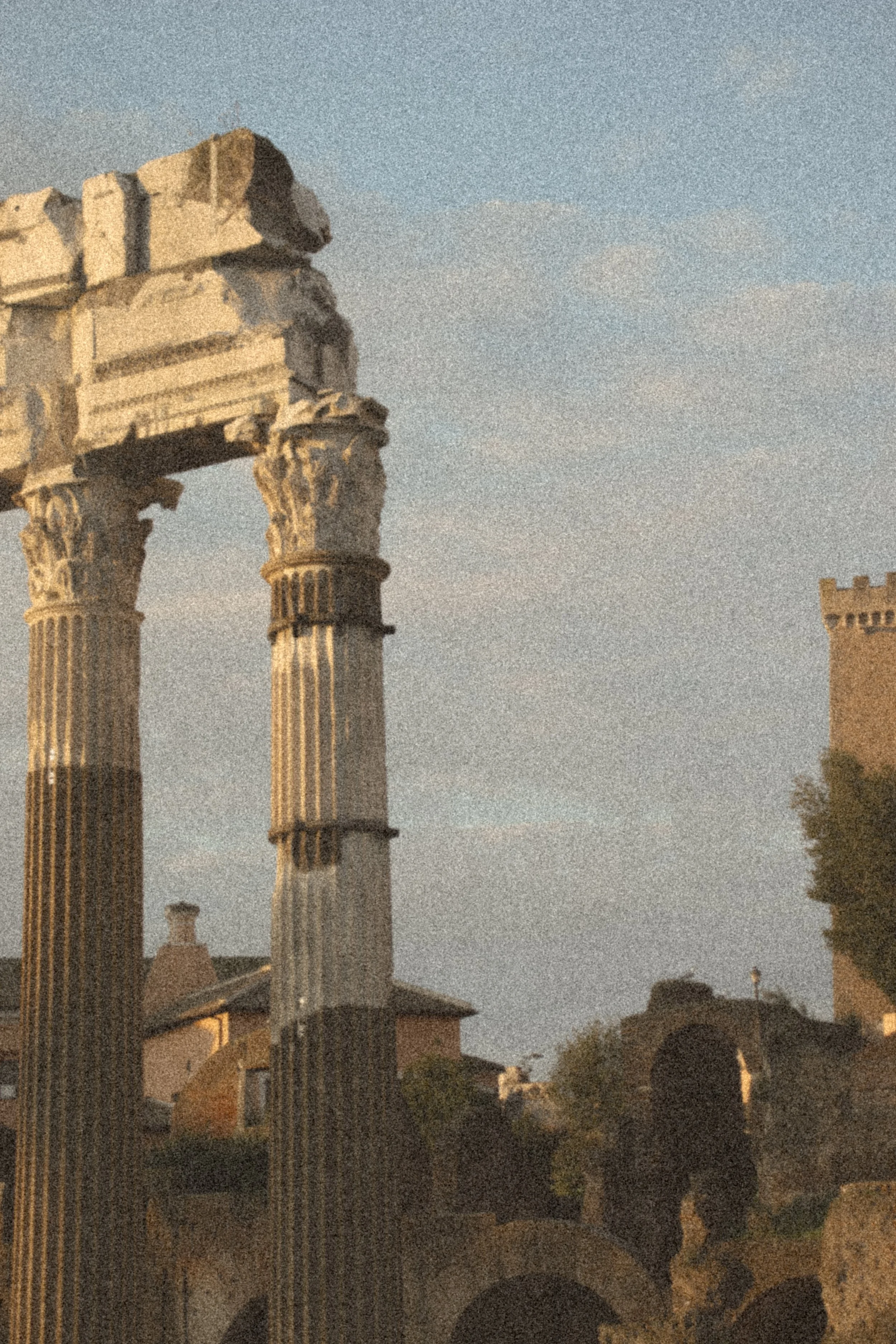
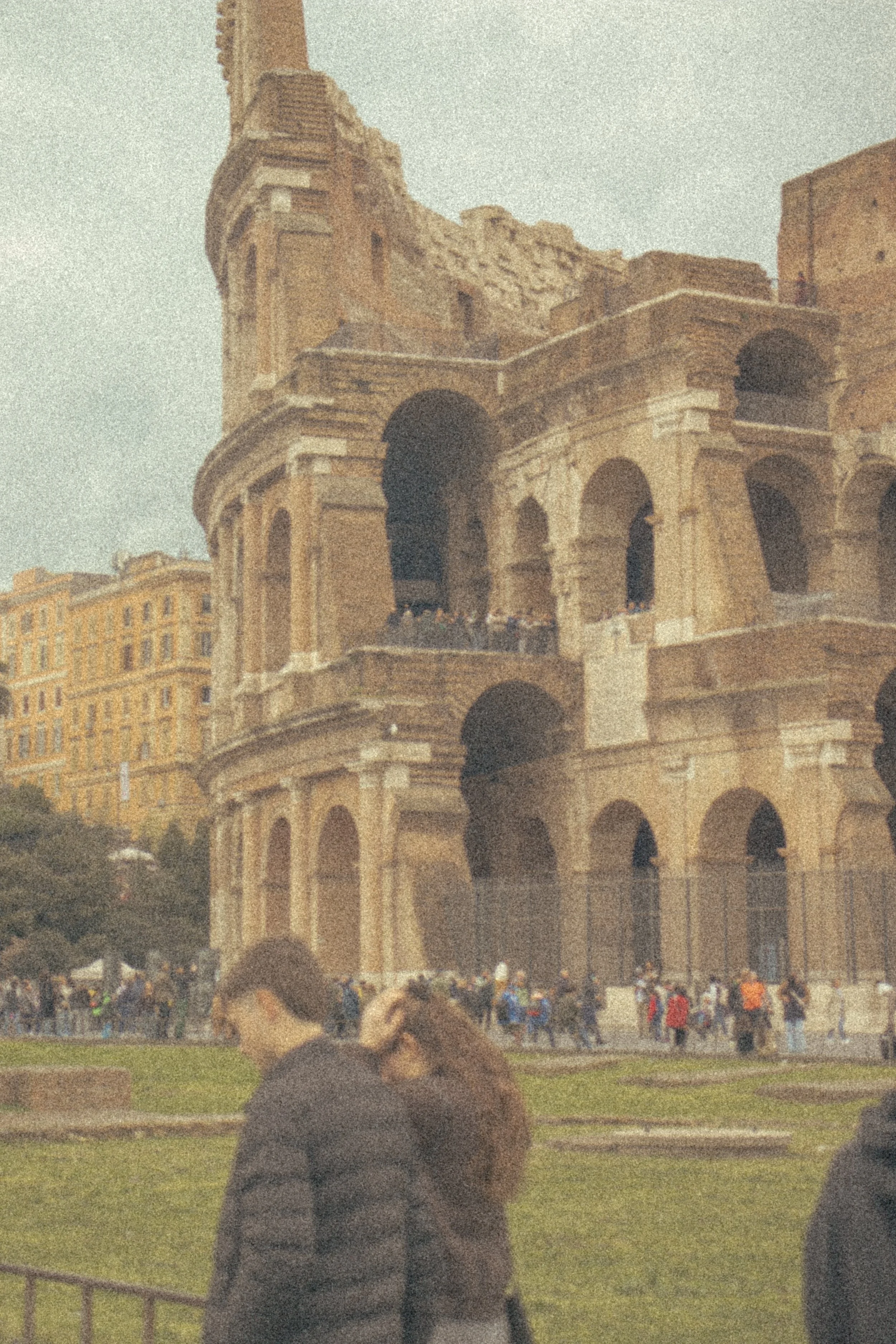
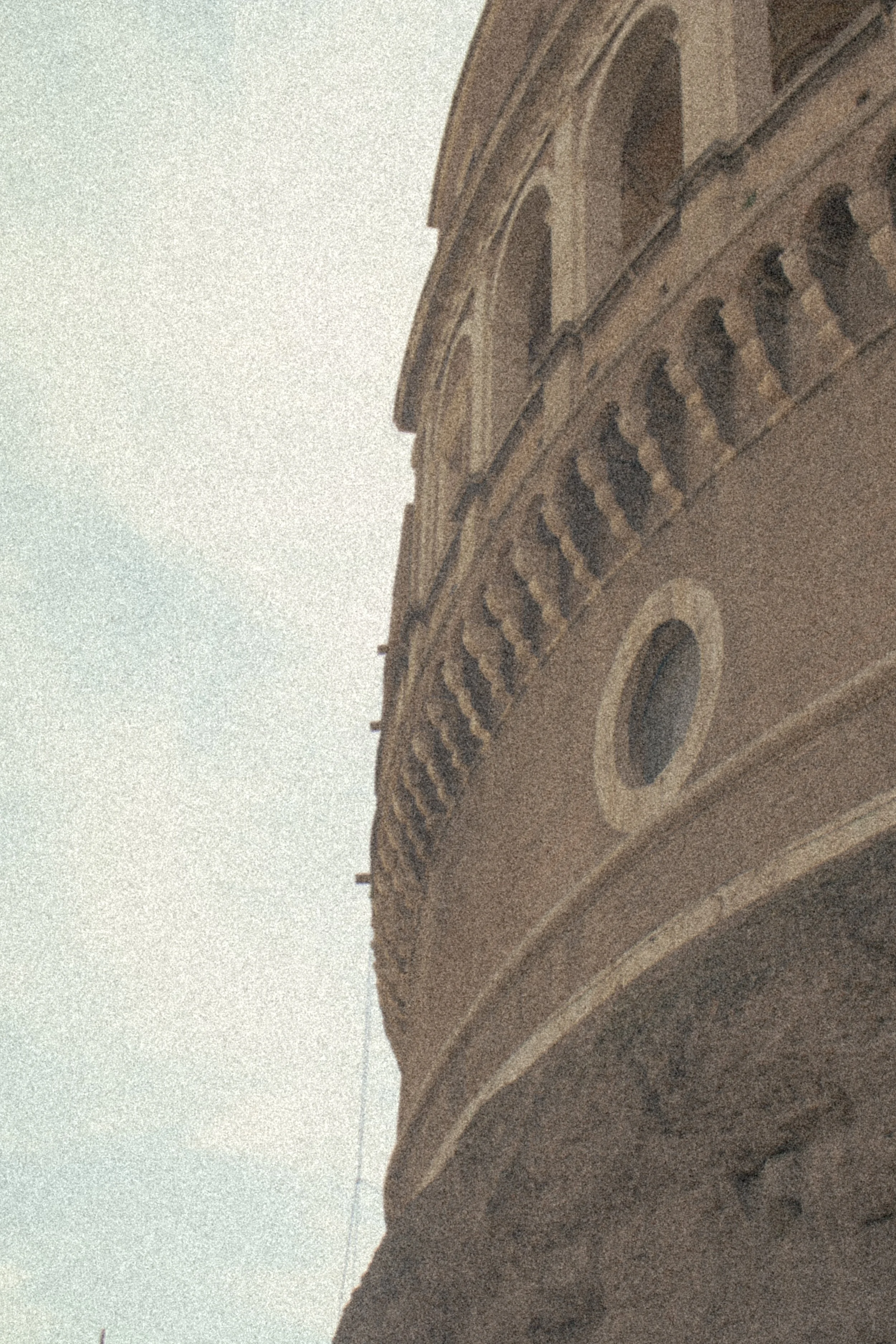
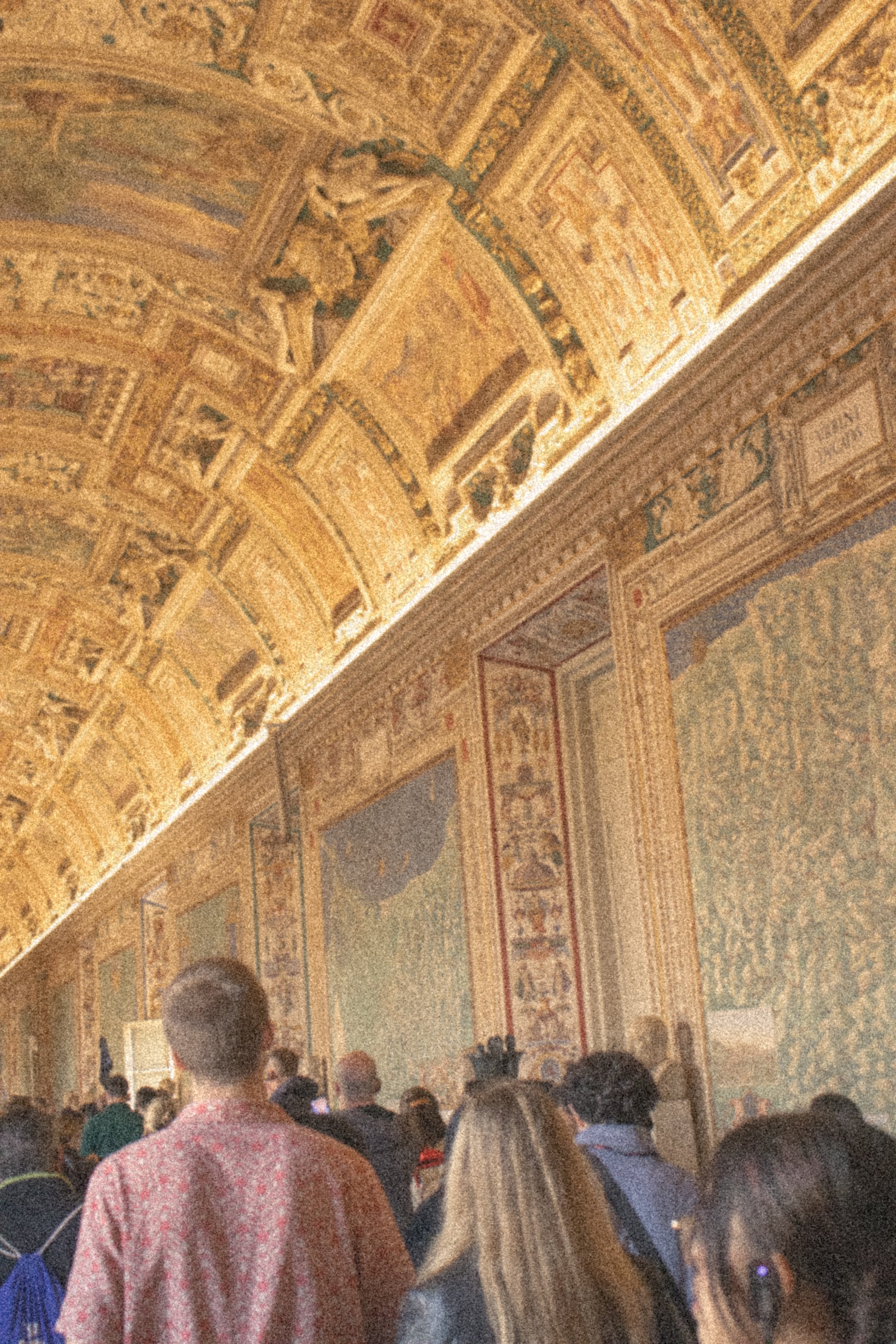
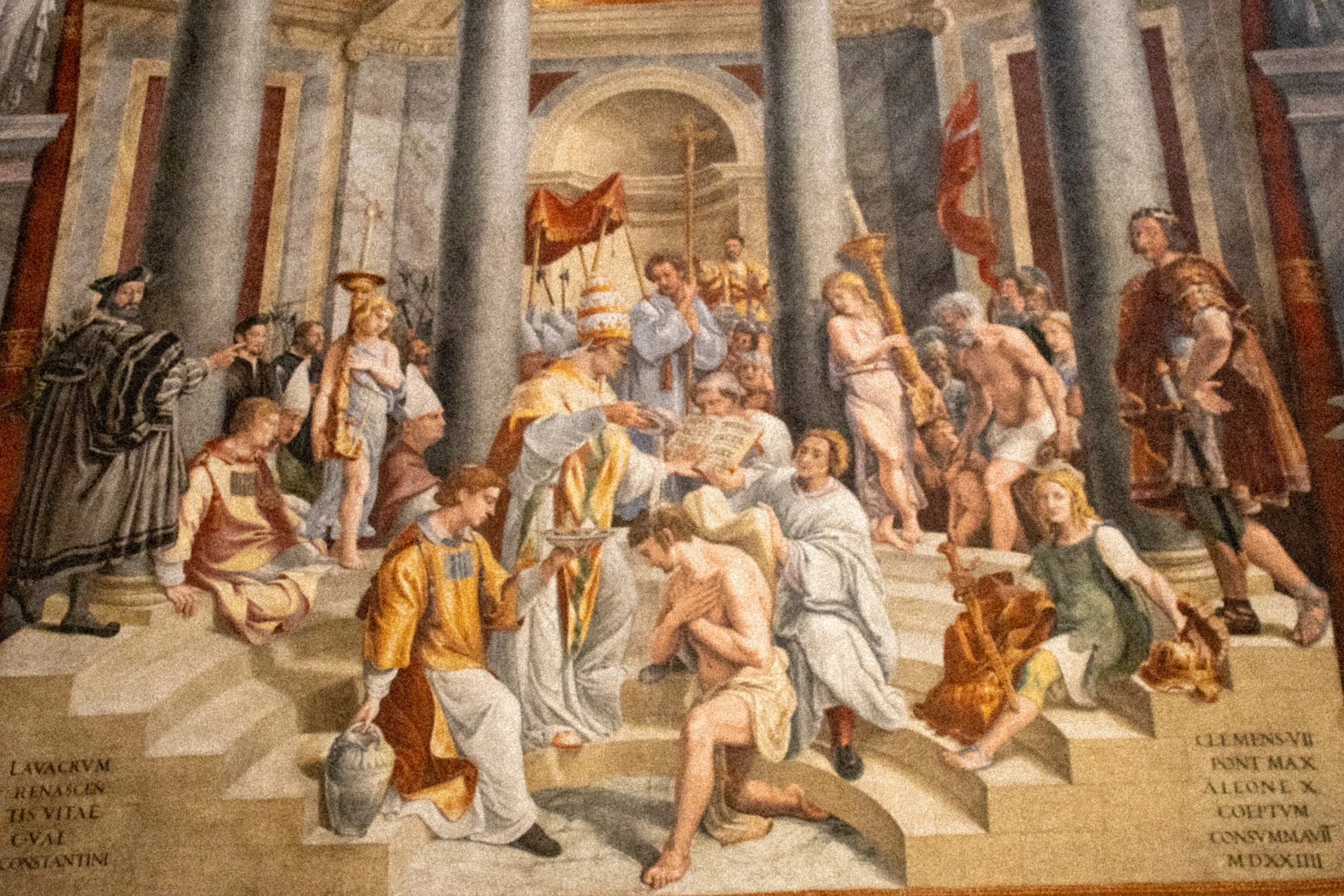
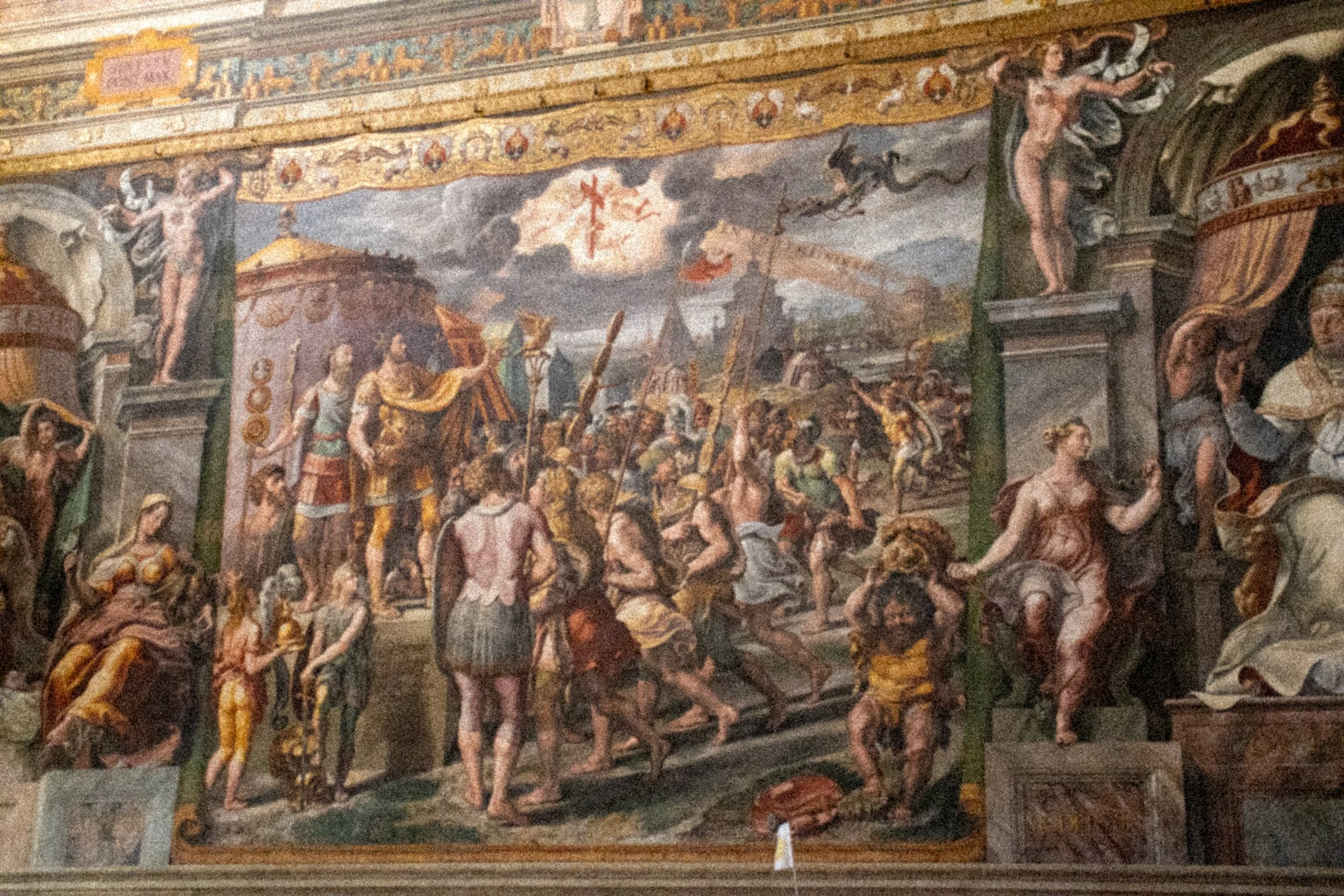
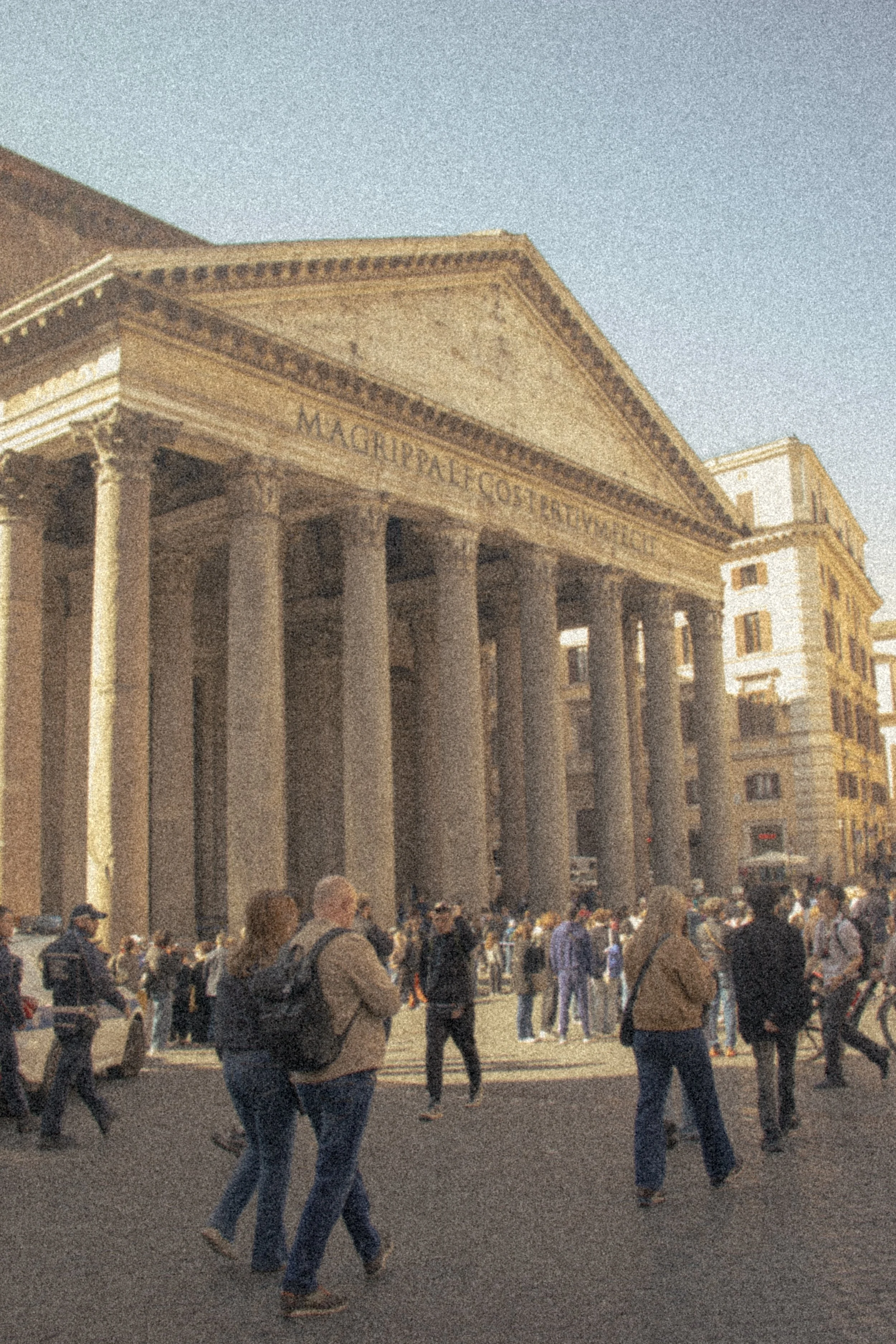
The sensual
Rome doesn't seduce. It overwhelms.
There is something in the air of this city that makes the skin more aware of itself. The heat of cobblestones rising through the soles of your shoes at midday. The smell of stone warmed by centuries of sun, mineral, ancient, almost edible. The distant sound of water from a fountain you haven't found yet.
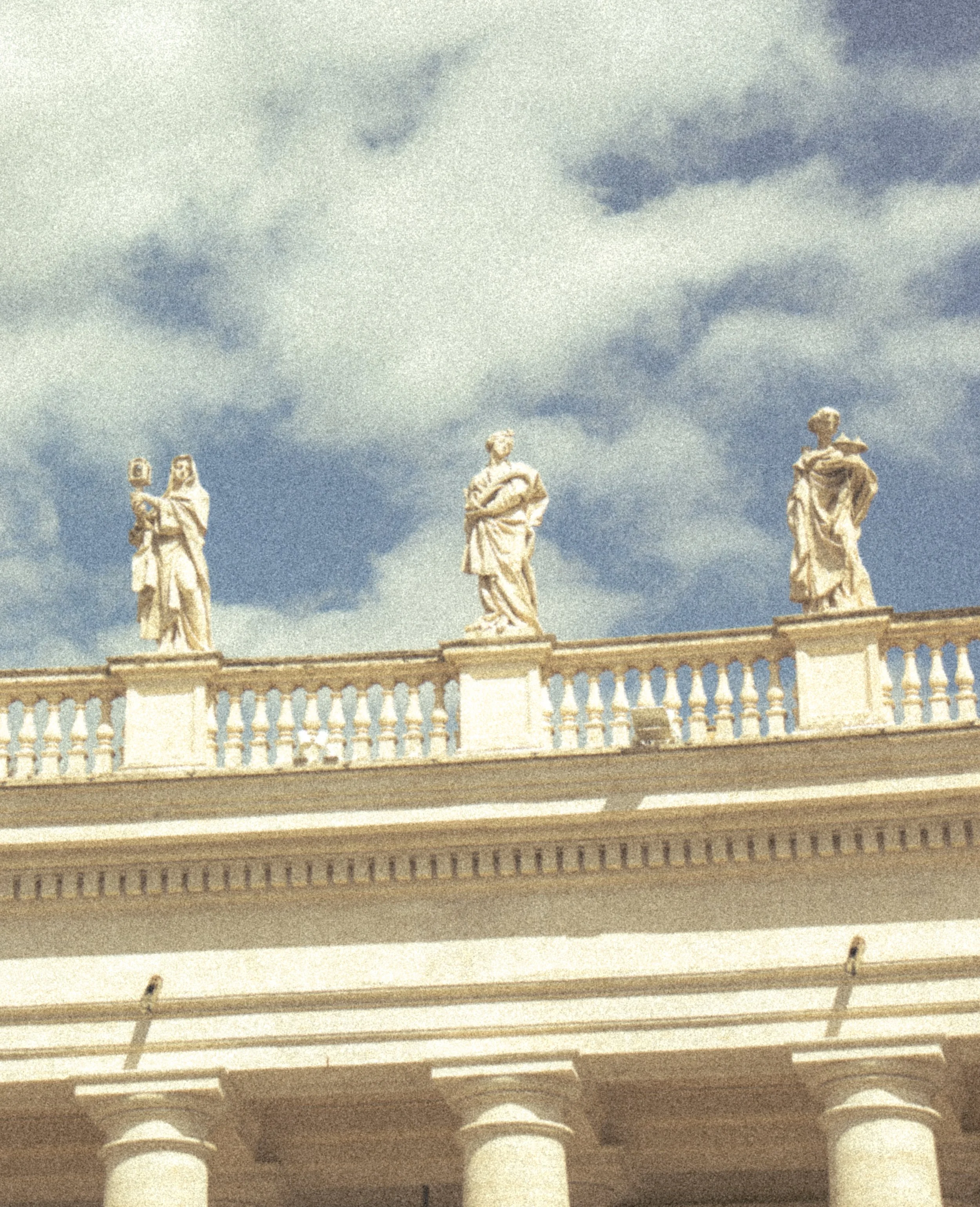
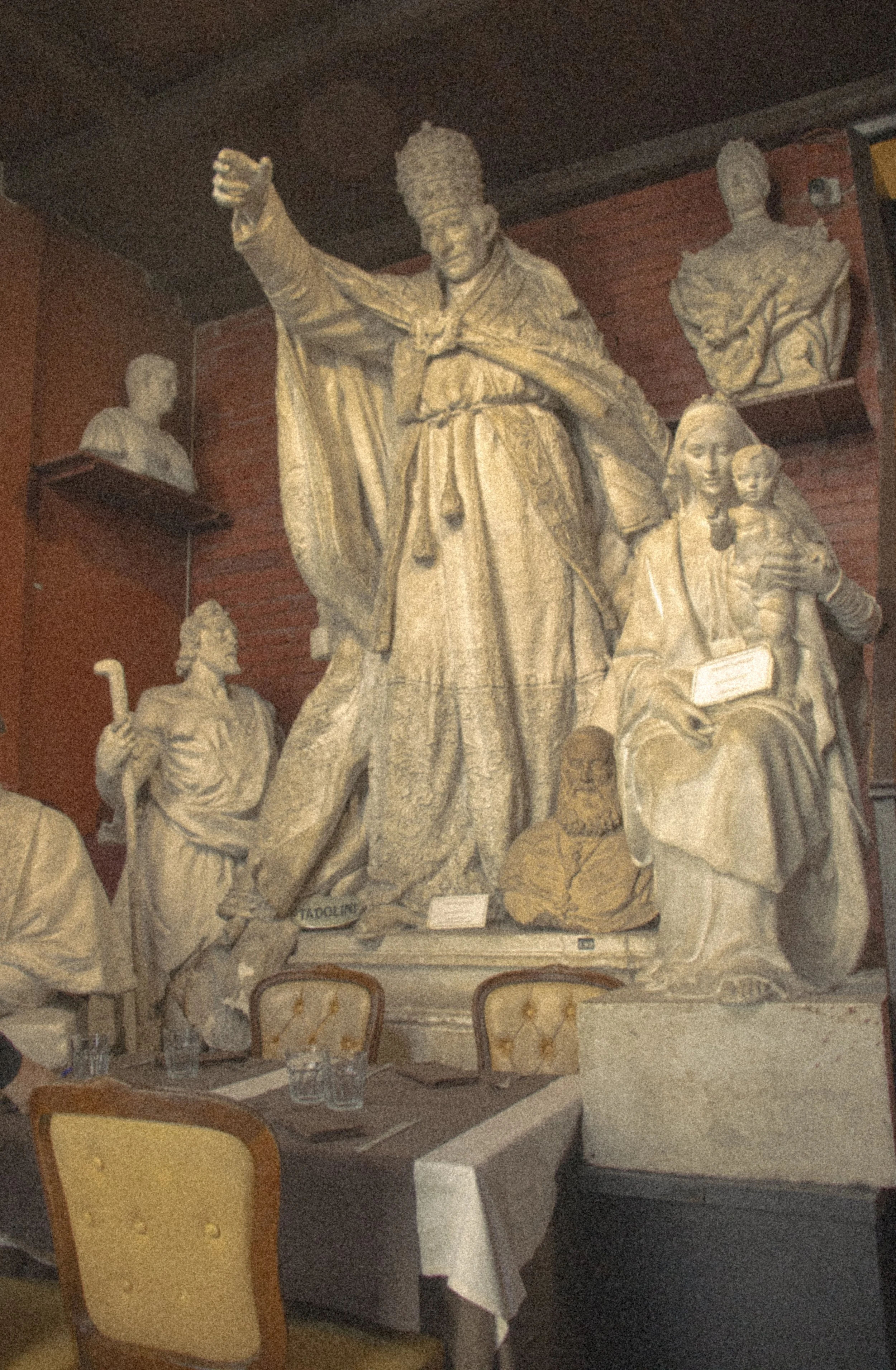
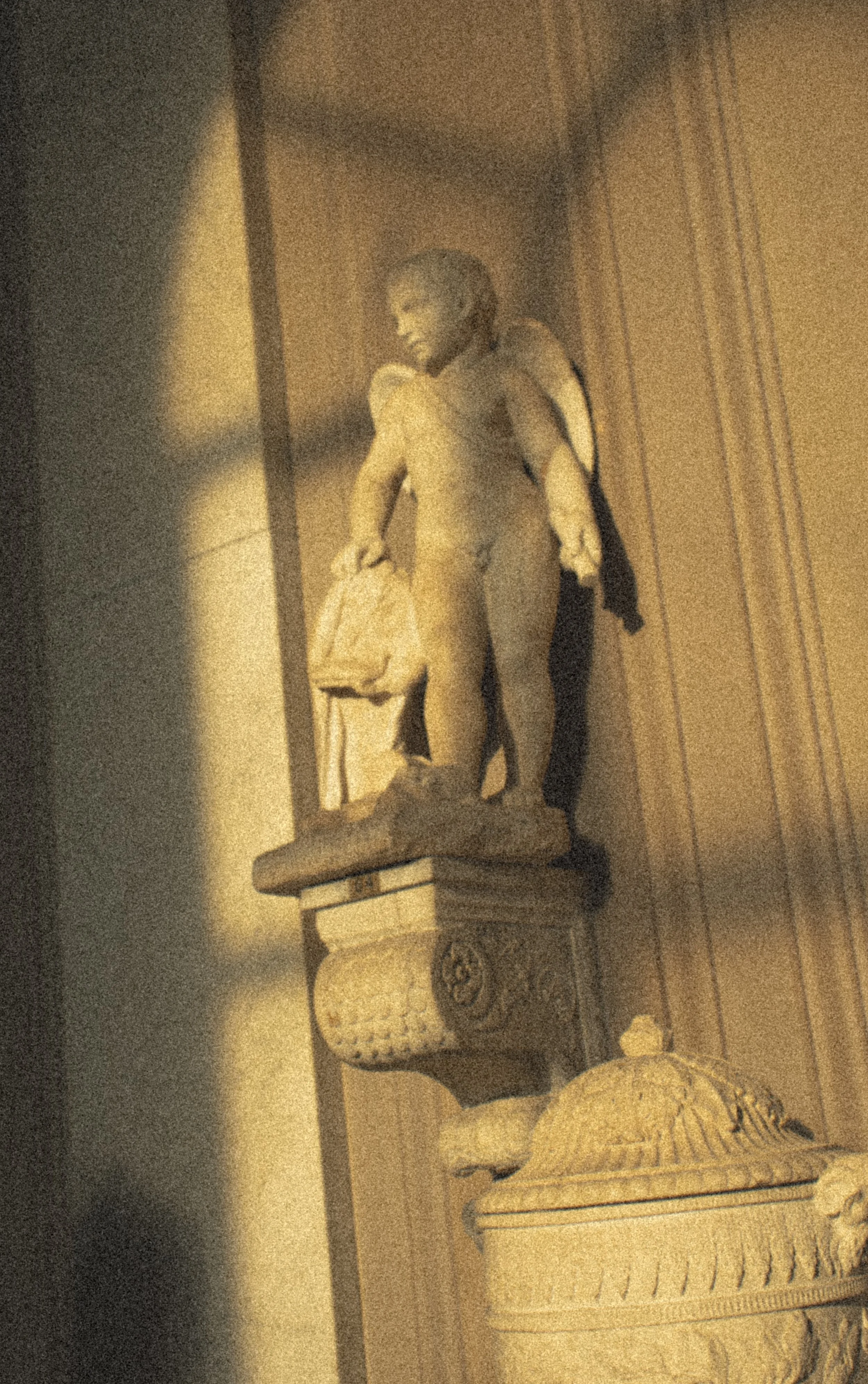
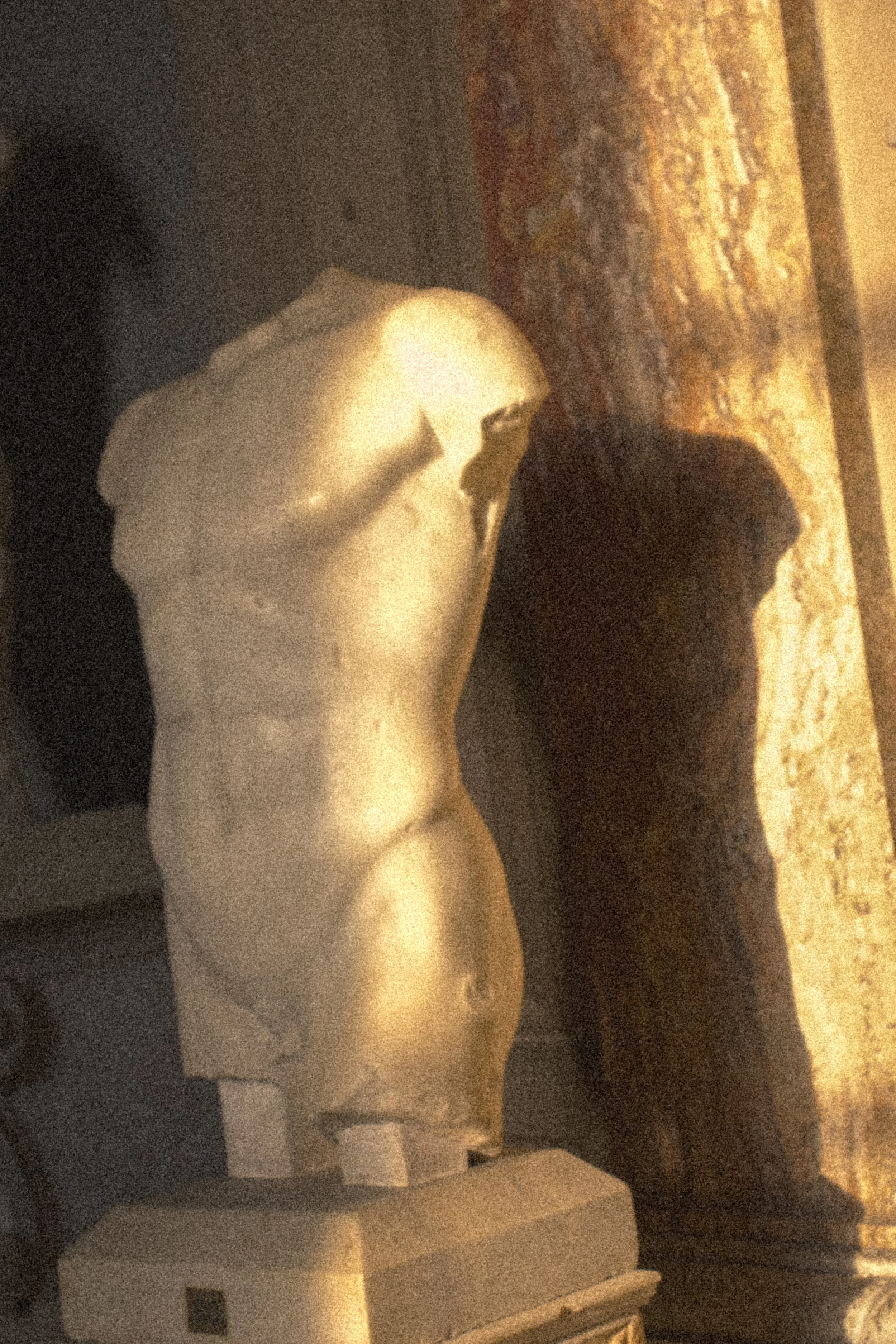
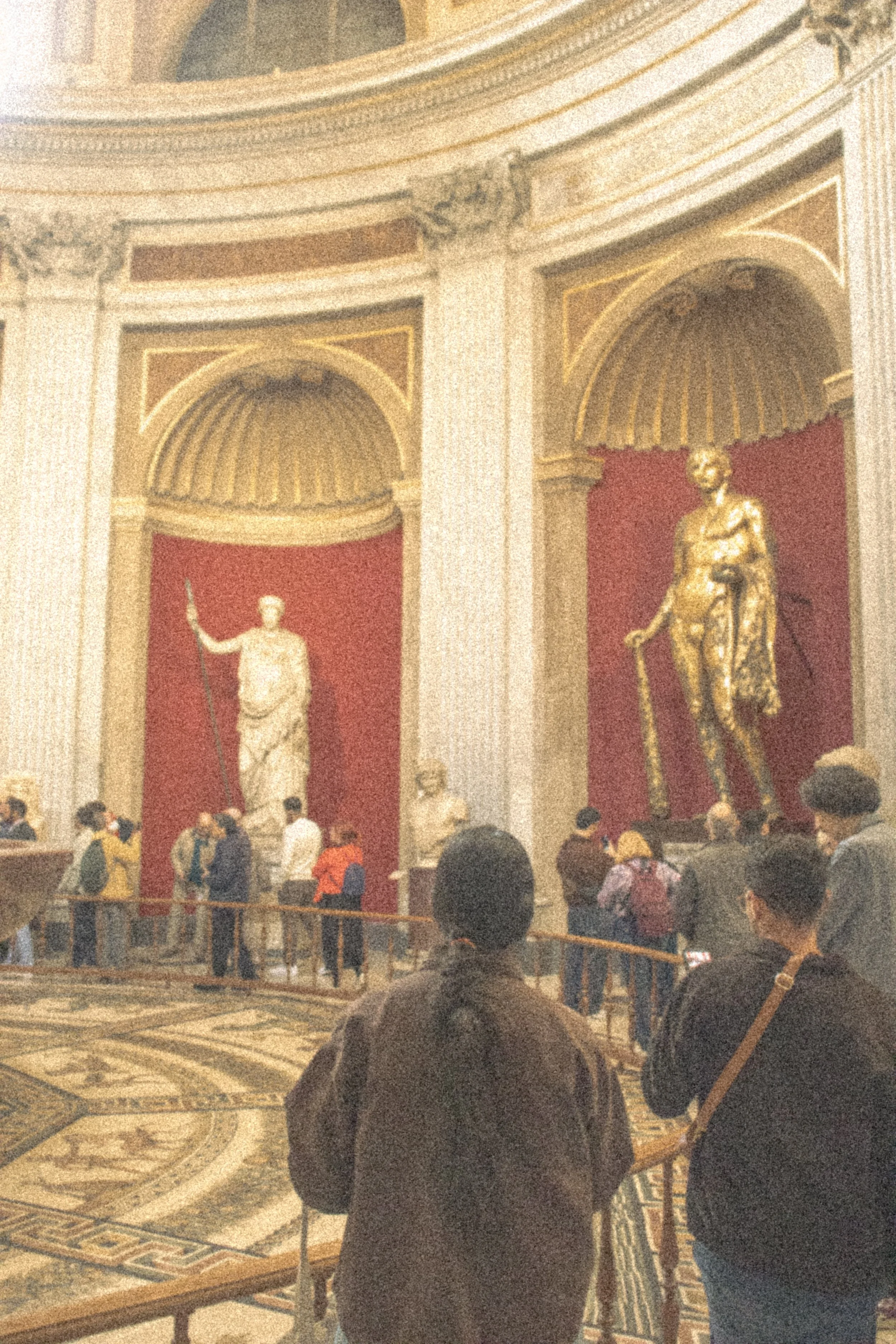
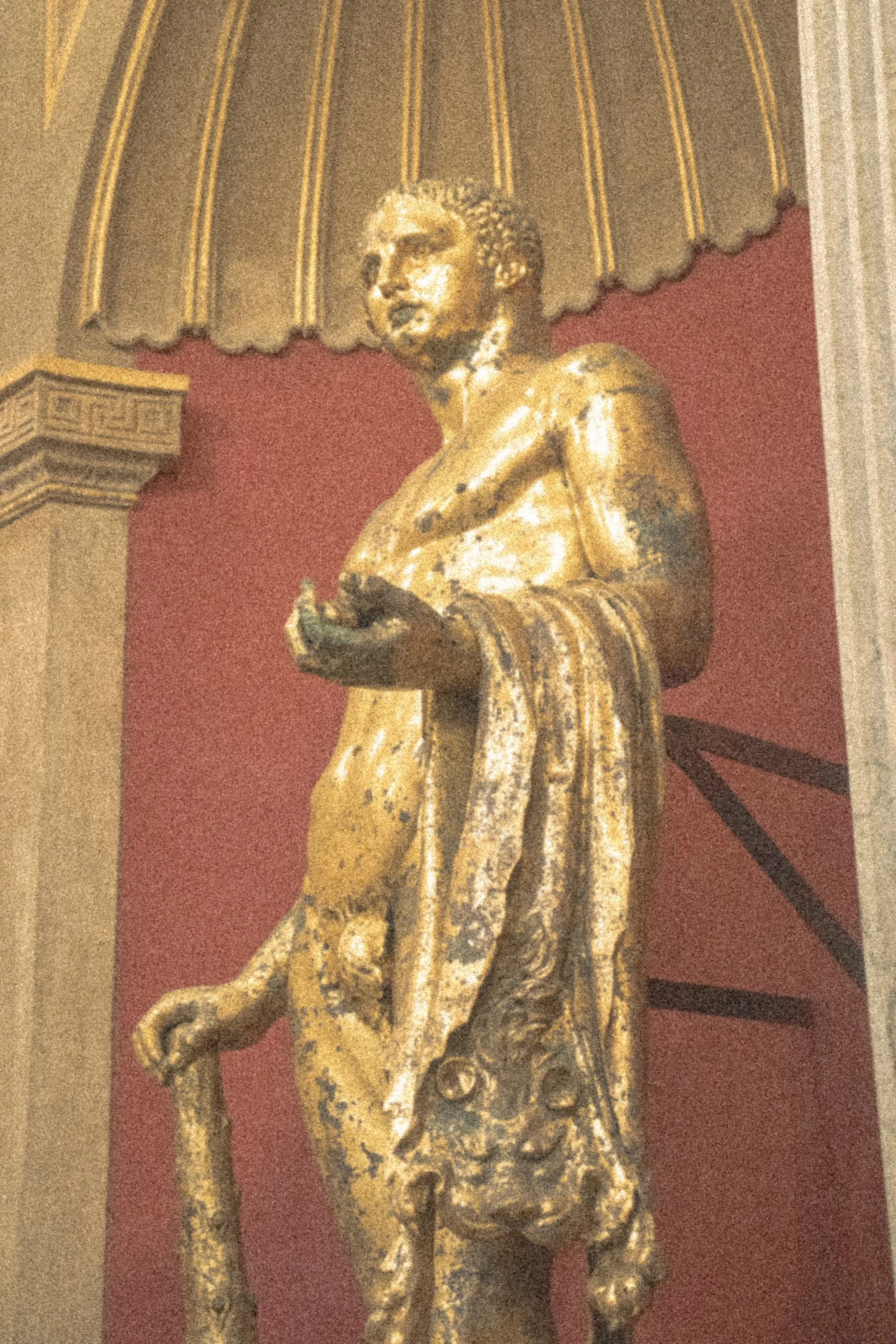
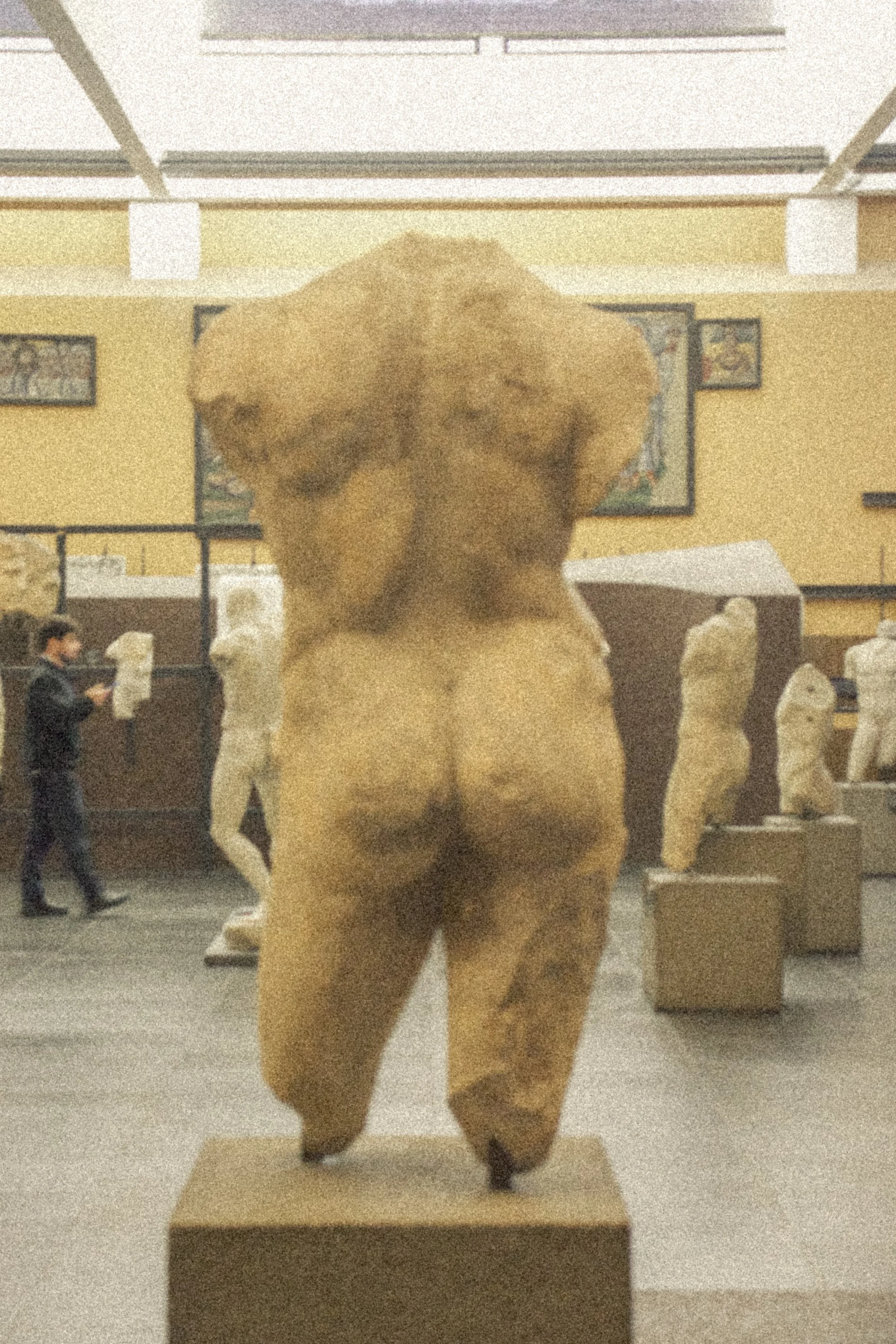
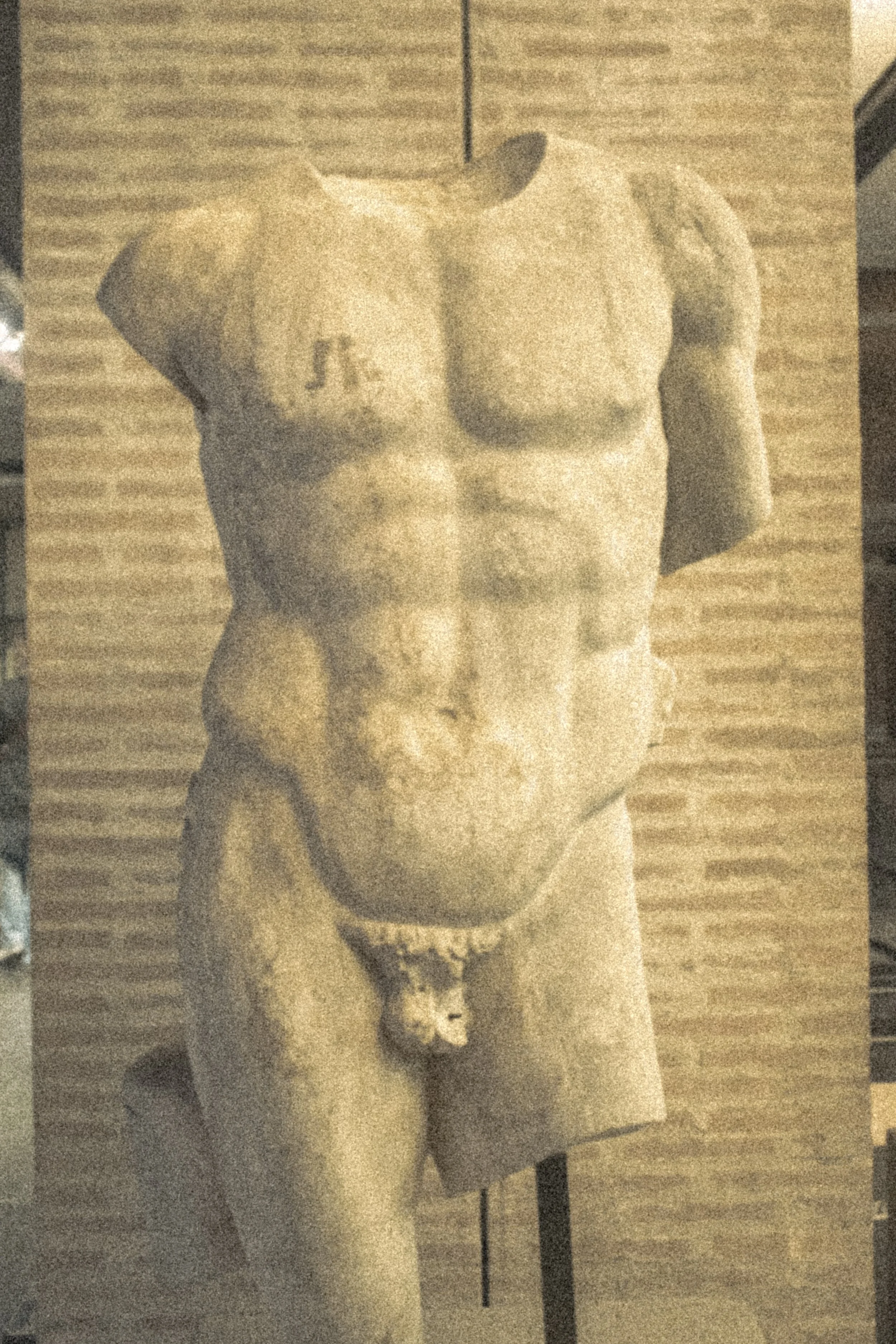
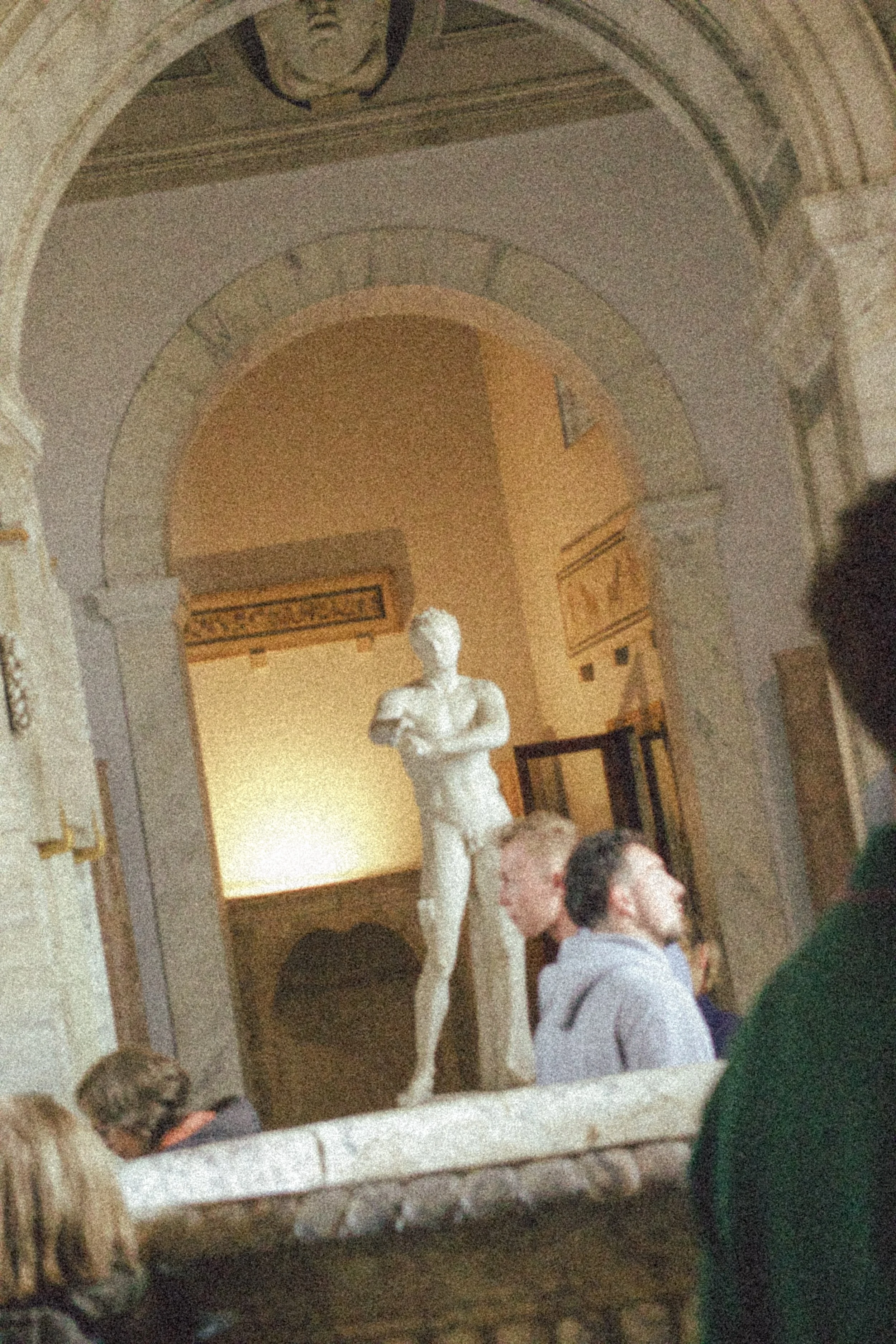
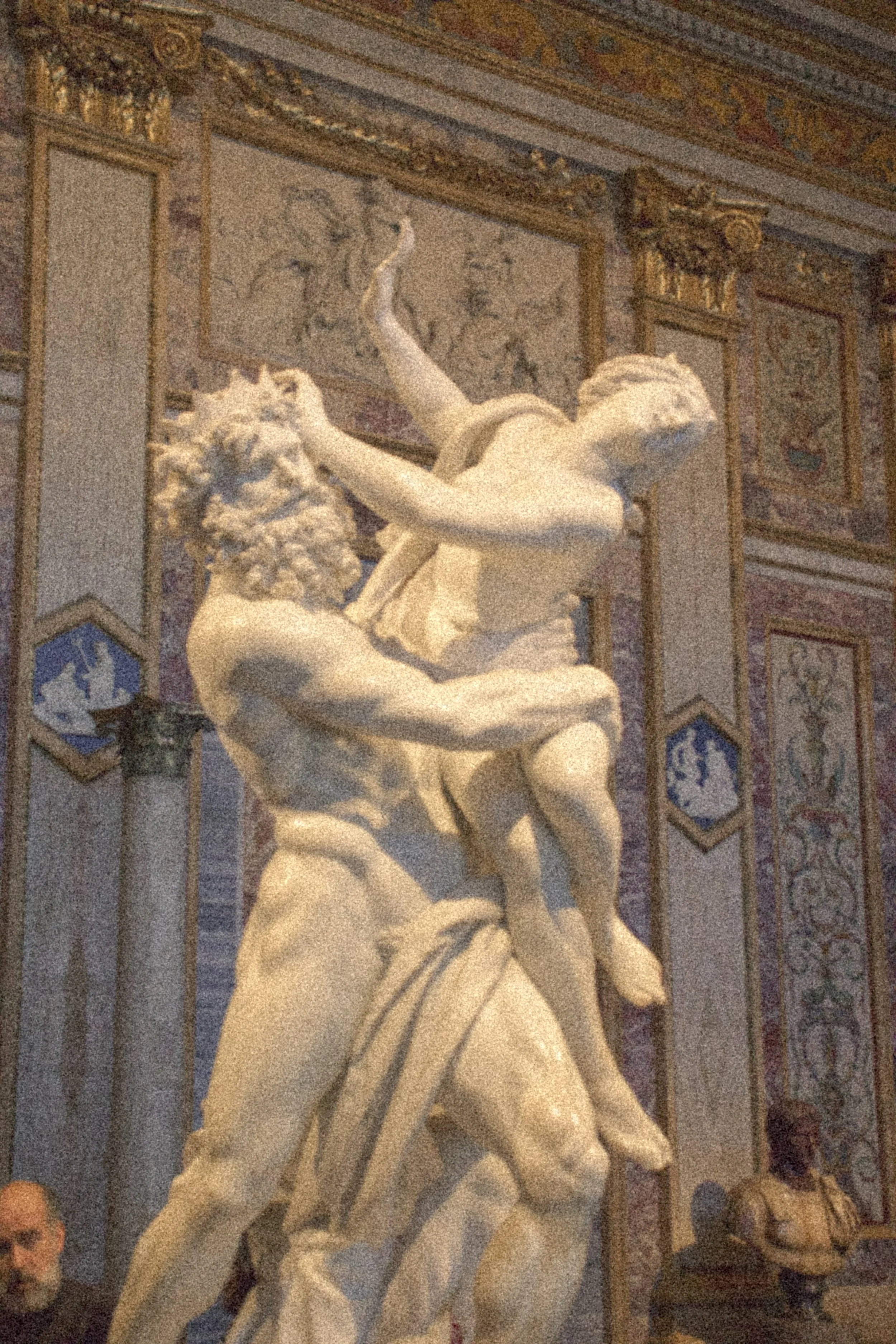
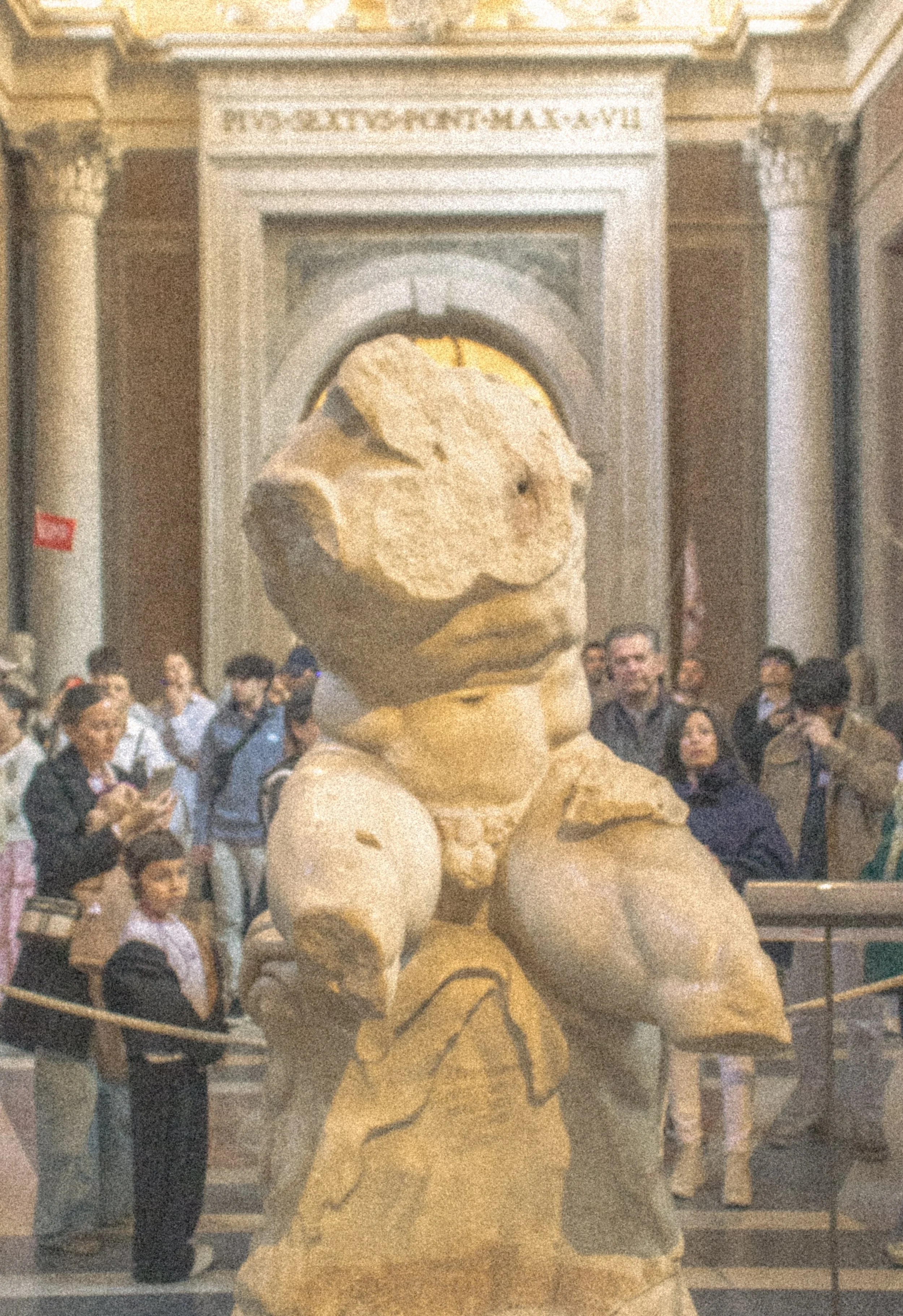
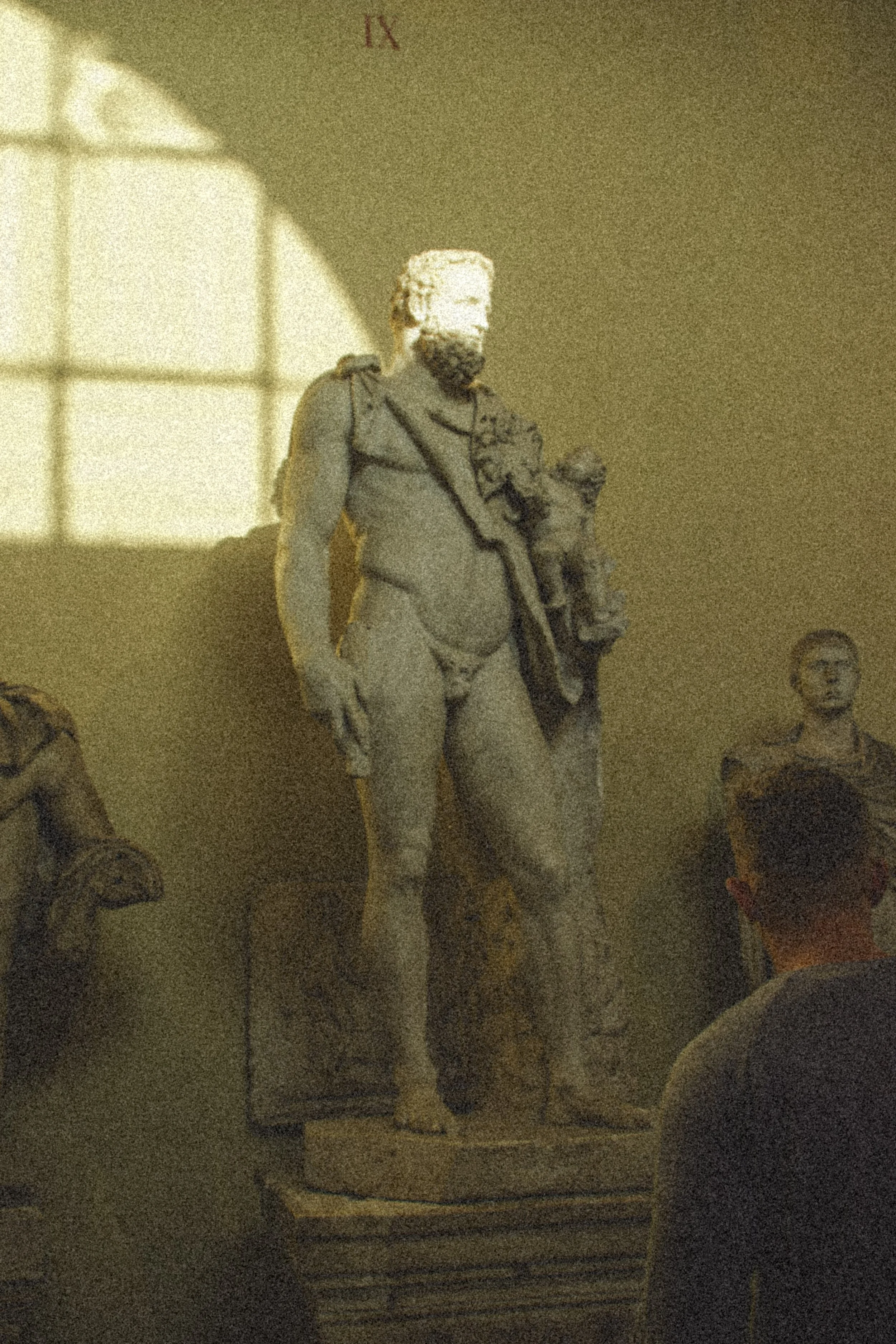
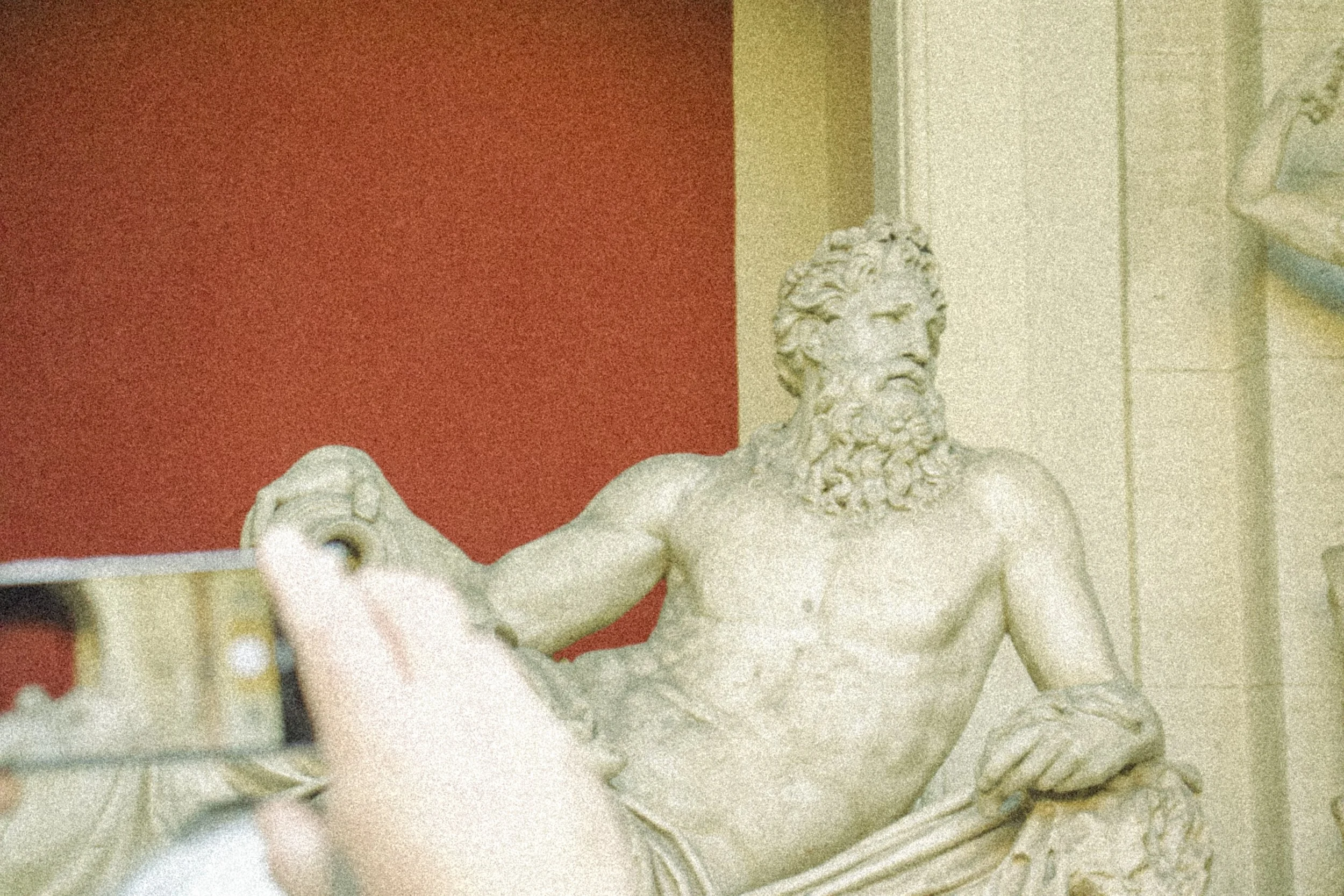
The statues were never cold. Run your fingers along marble that has absorbed two thousand years of Roman light, and you will feel it. A warmth that has no right to be there. The curve of a torso, the tension of a muscle frozen mid-movement, the hollow of a neck. The Romans understood that beauty and power were the same thing, and they carved desire into every surface they could find.
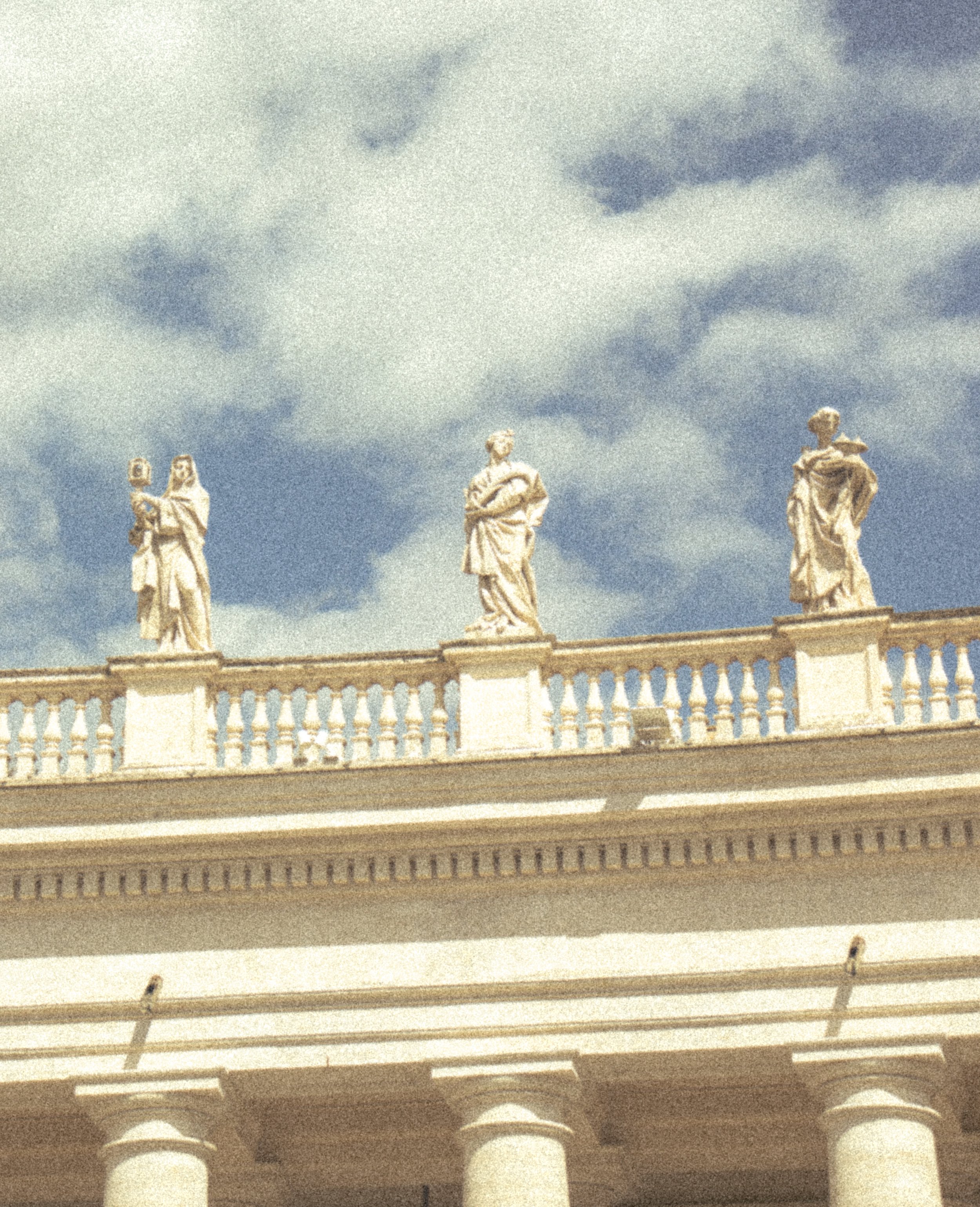
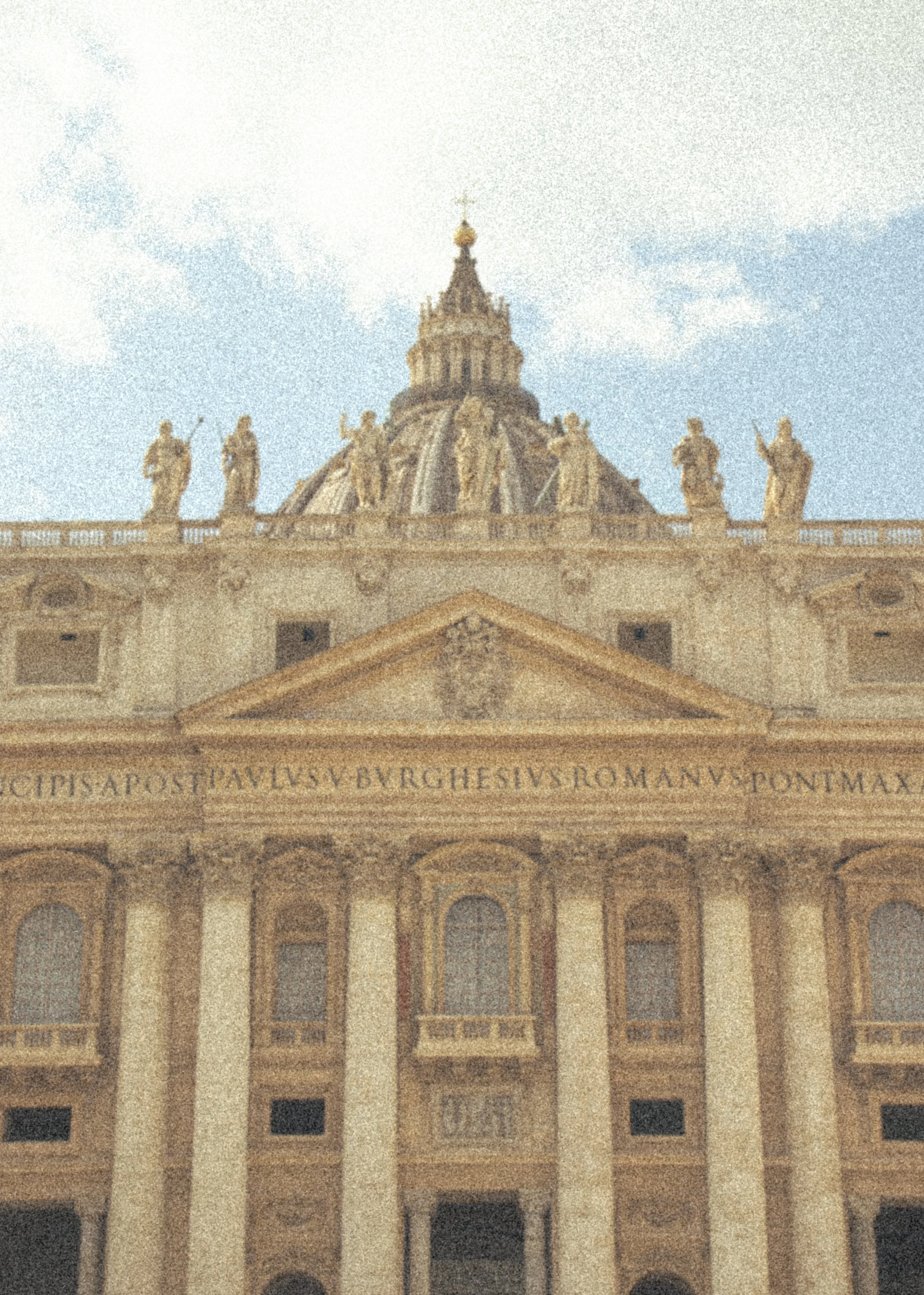
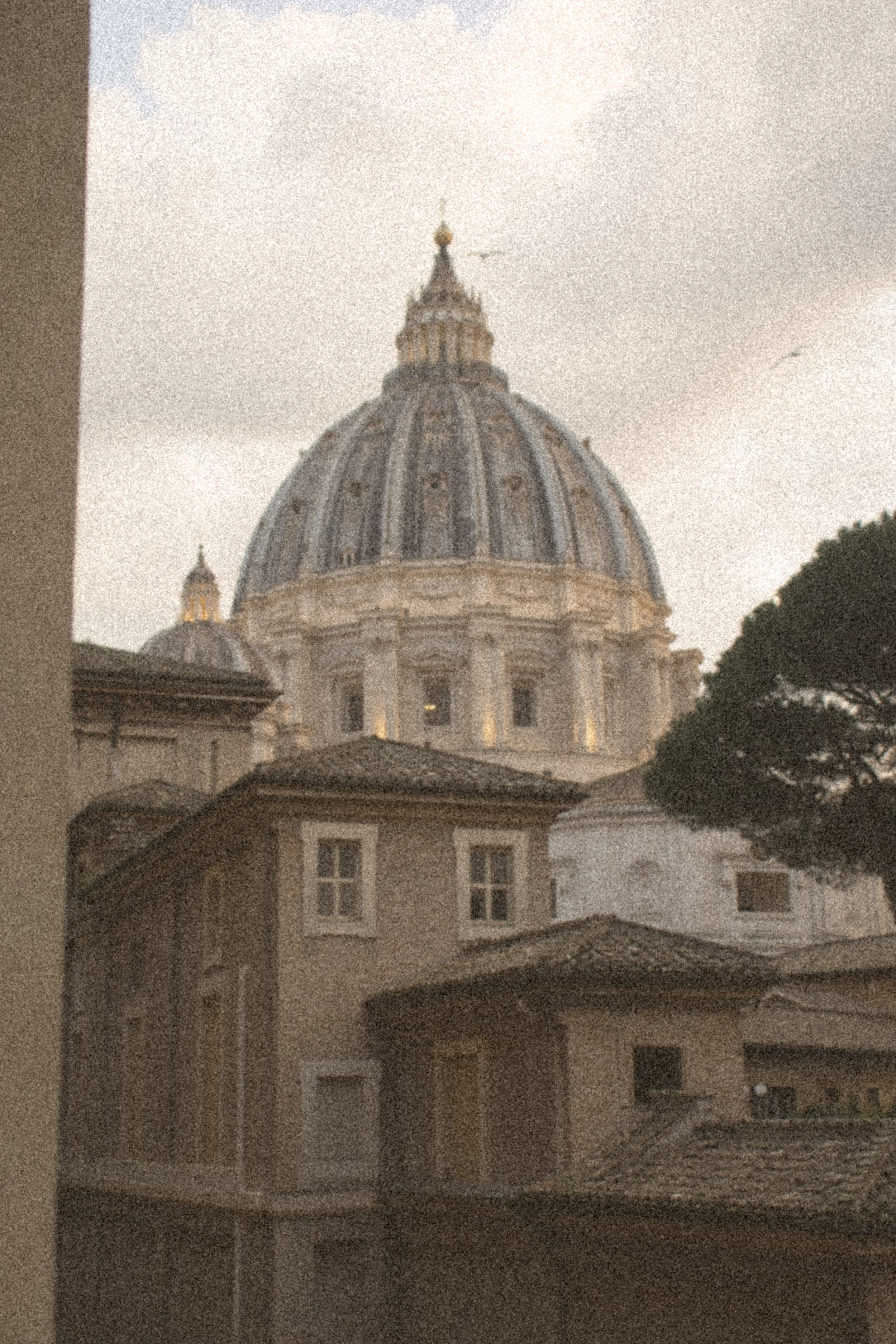
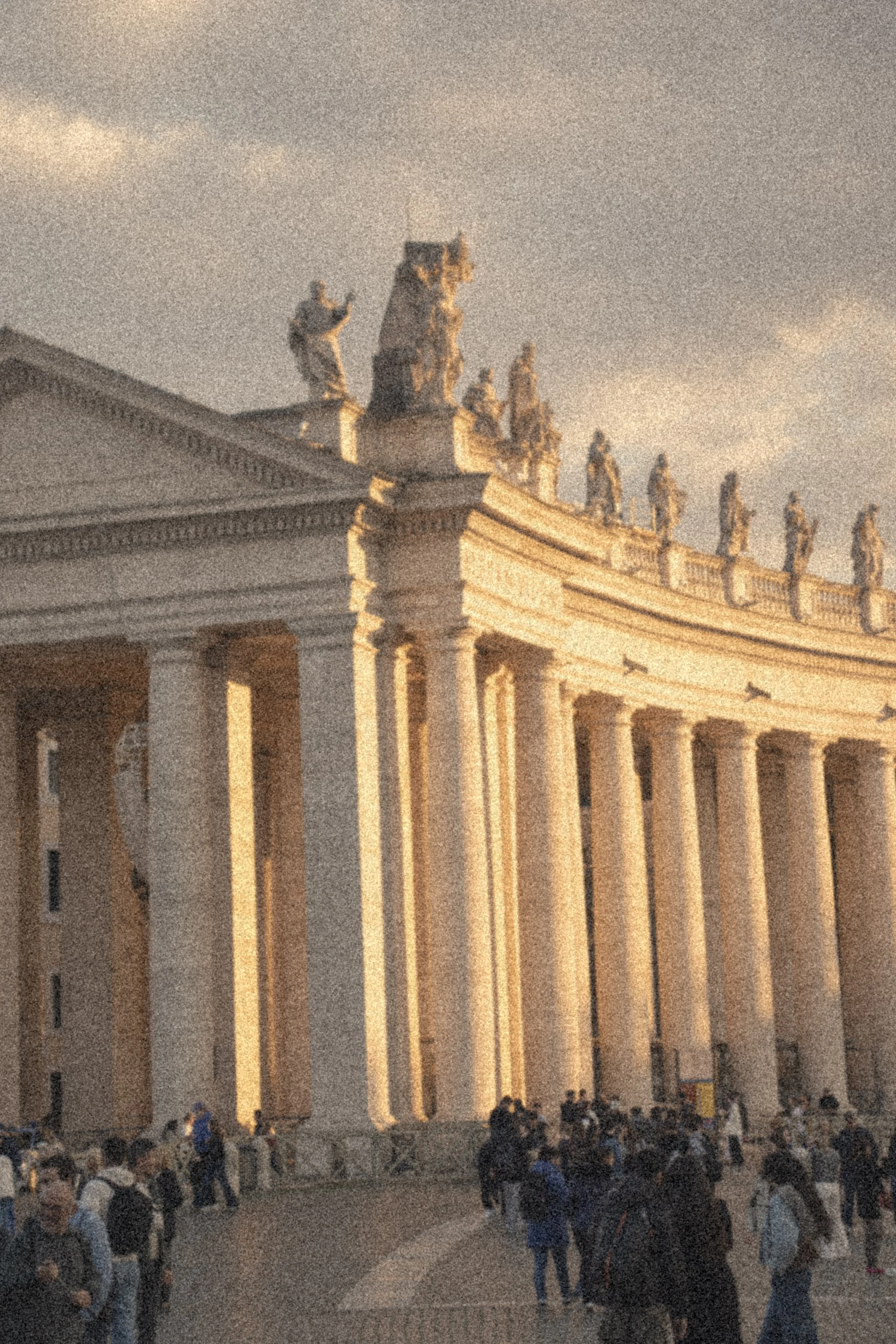
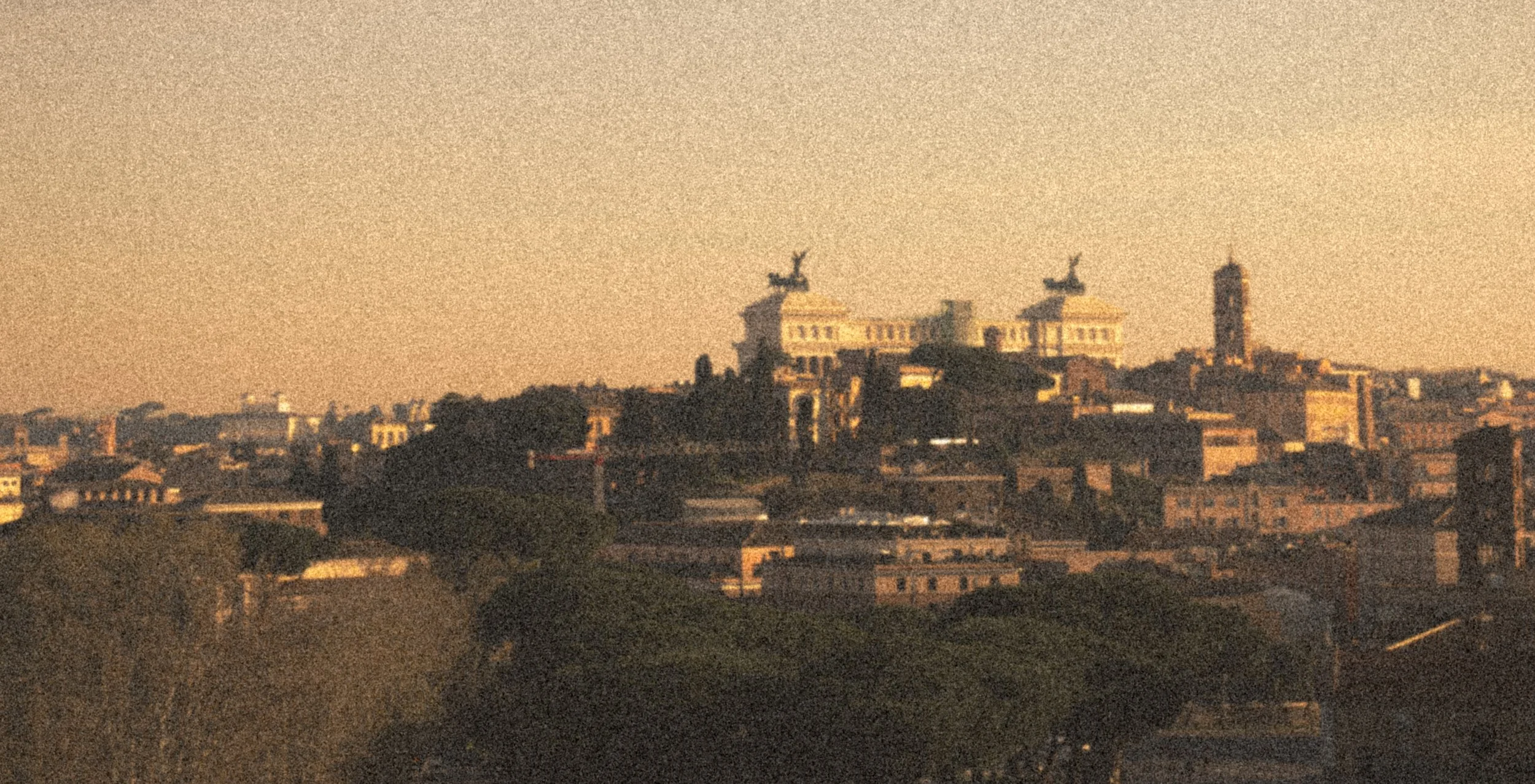
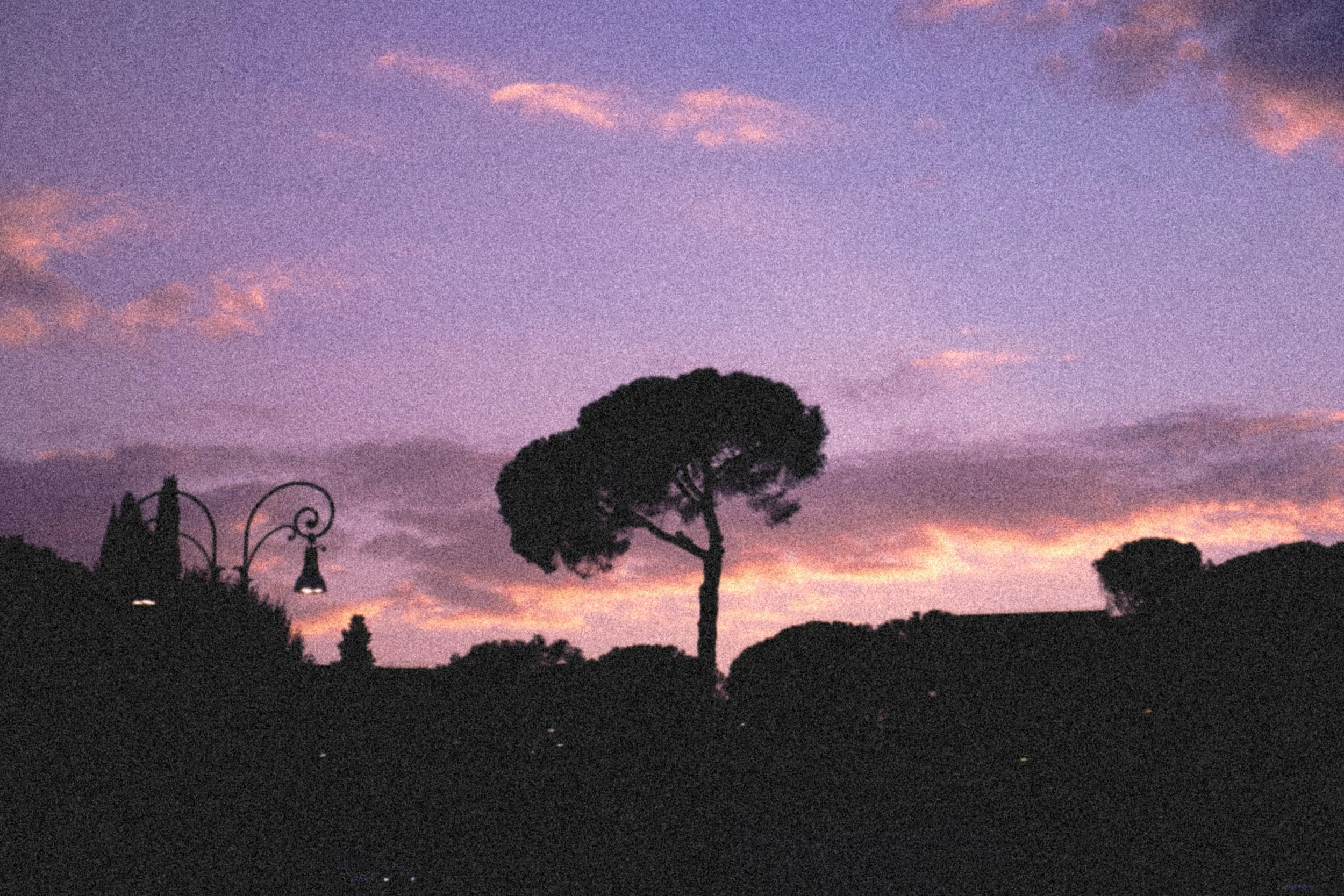
The sky above Rome has its palette. Not quite blue, not quite gold but rather something between the two that belongs only to this latitude, This hour. This century-old dust suspended in the air. At dusk, the light turns the travertine to amber and the shadows to velvet. You breathe it in without meaning to.
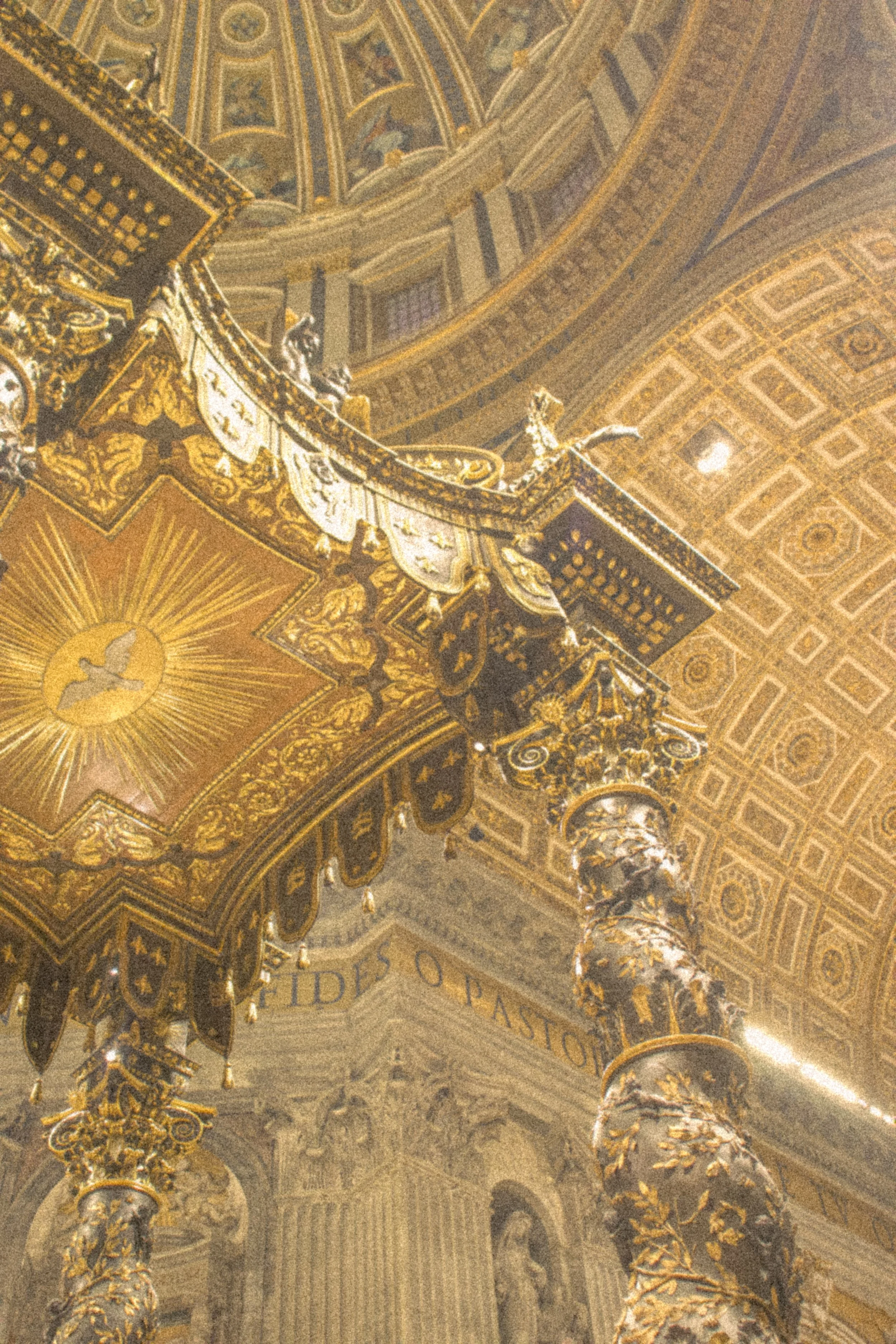
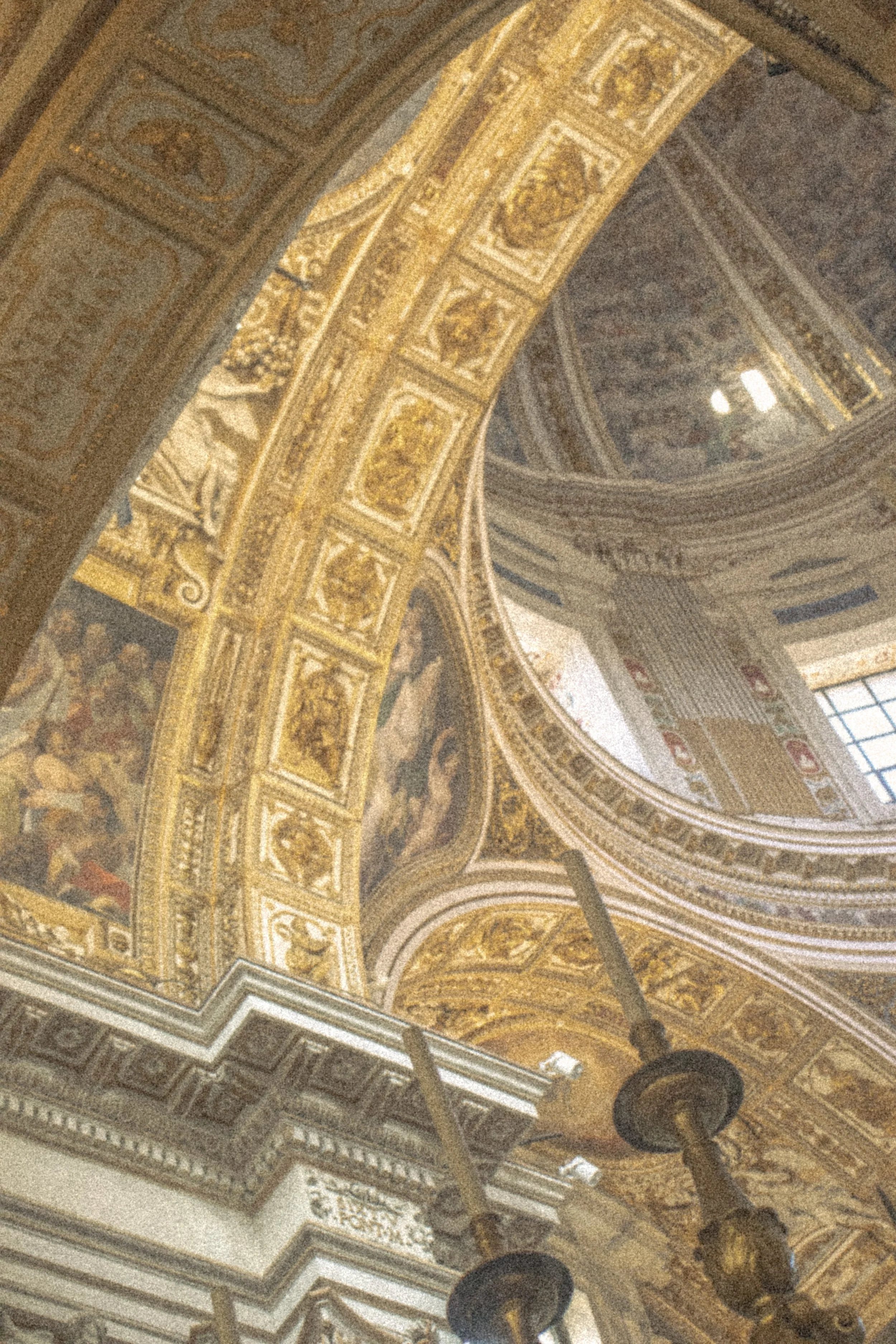
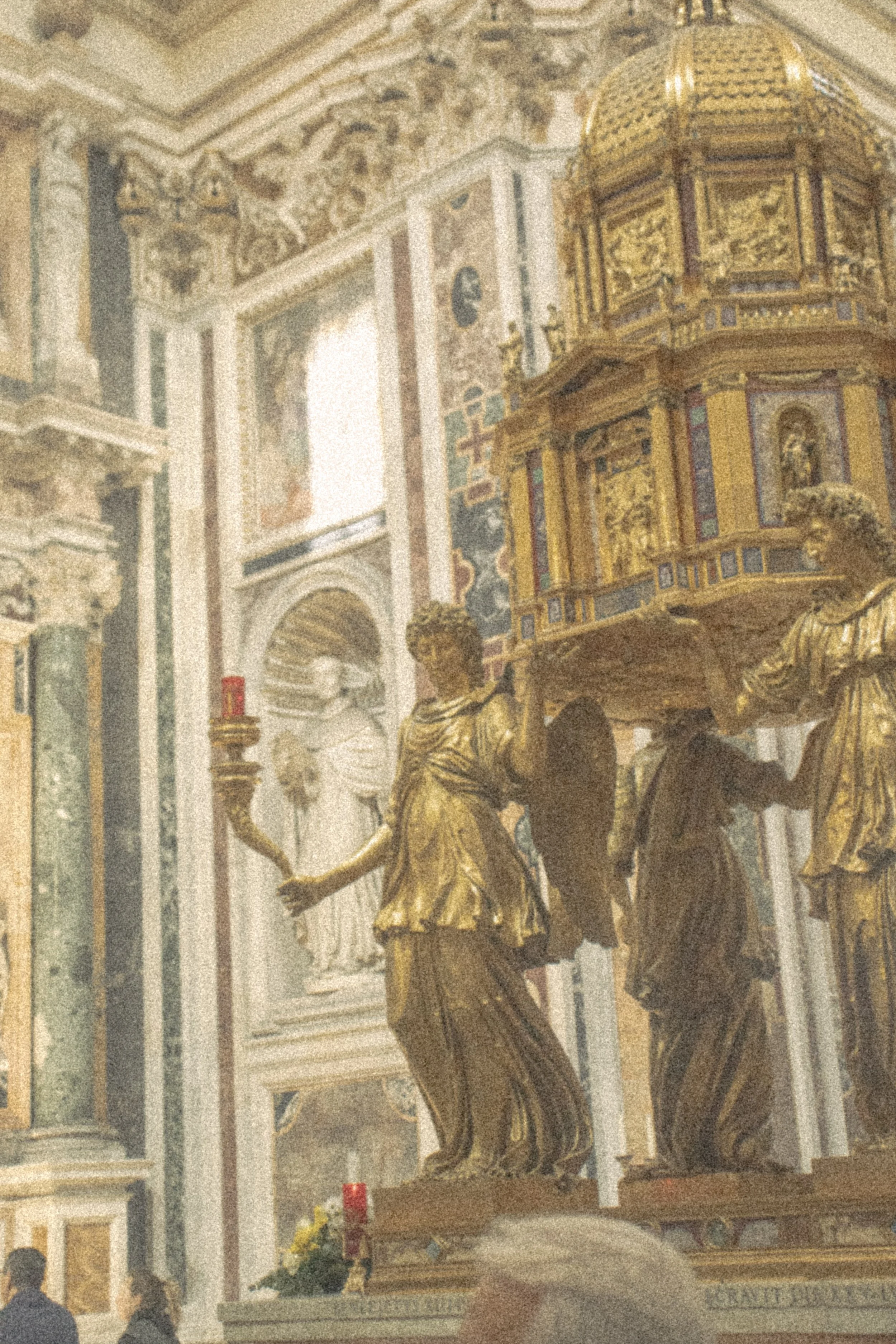
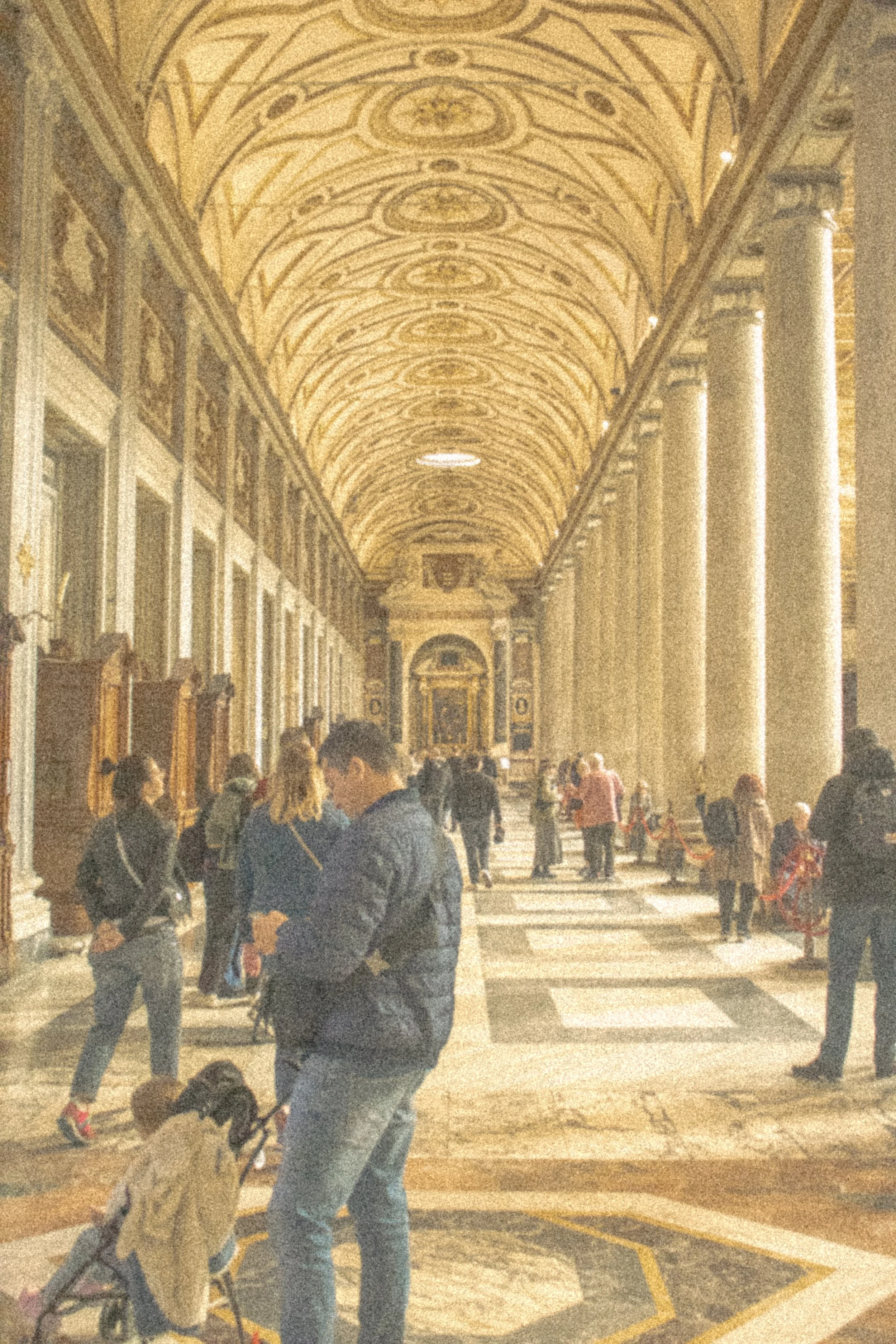
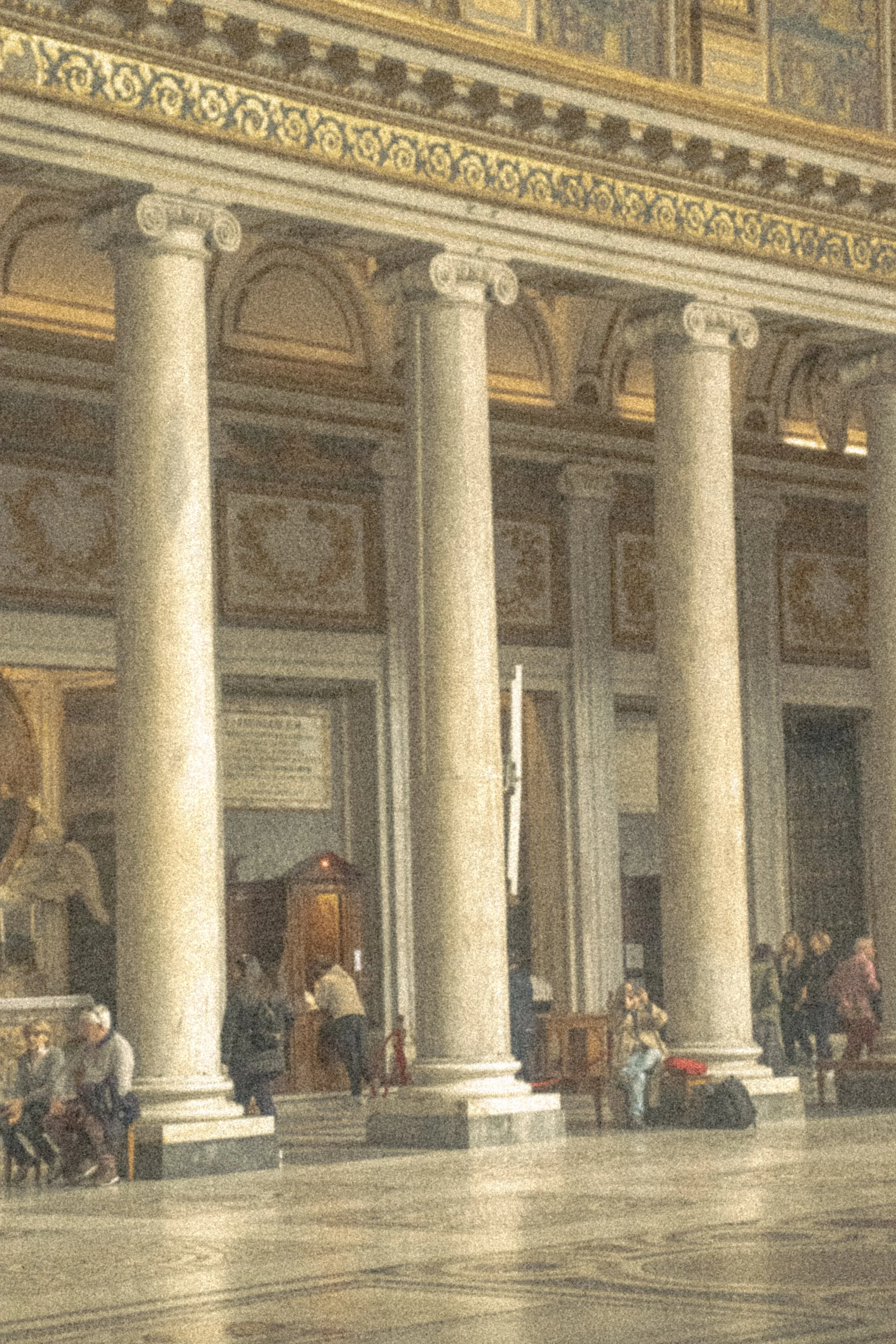
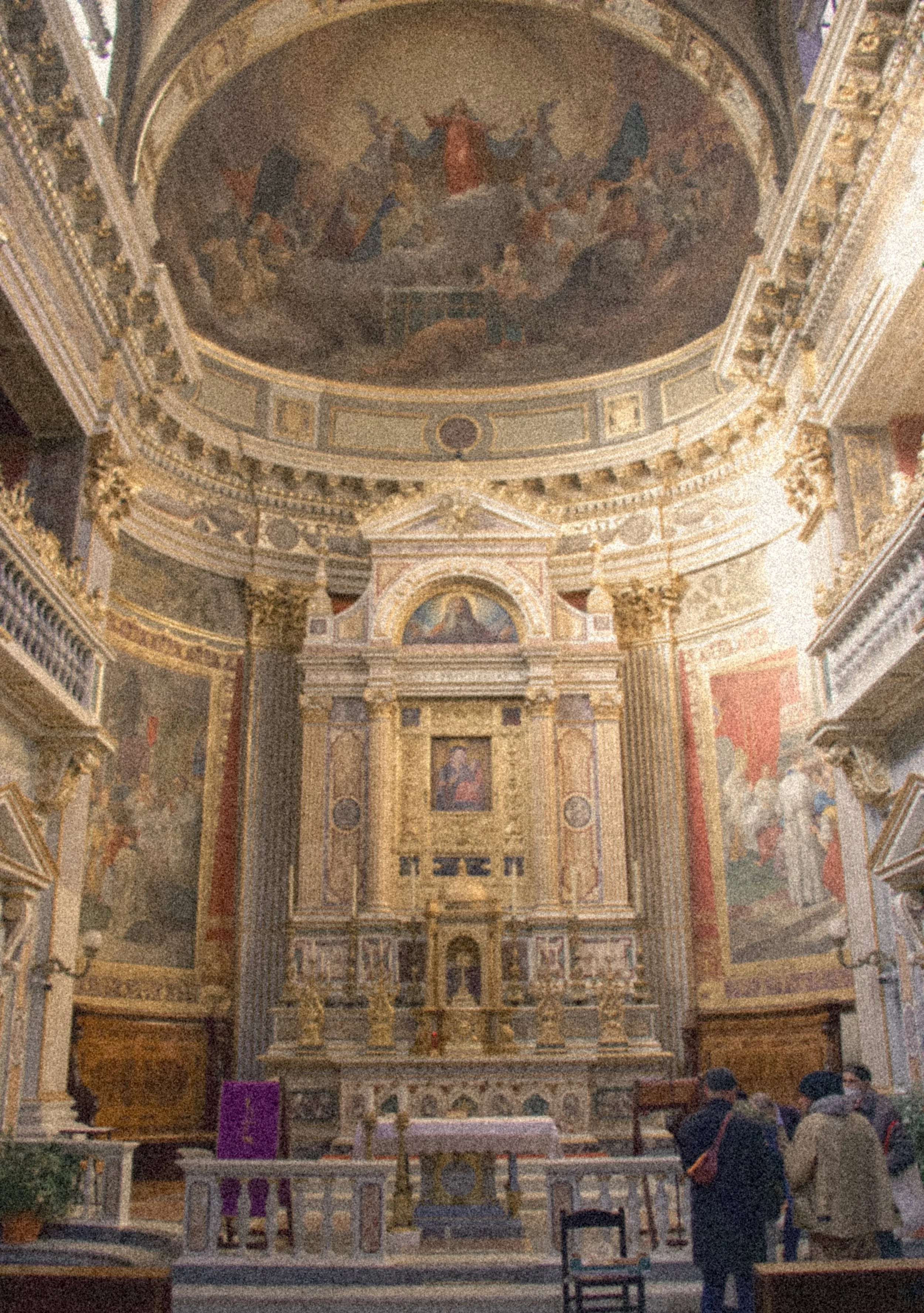
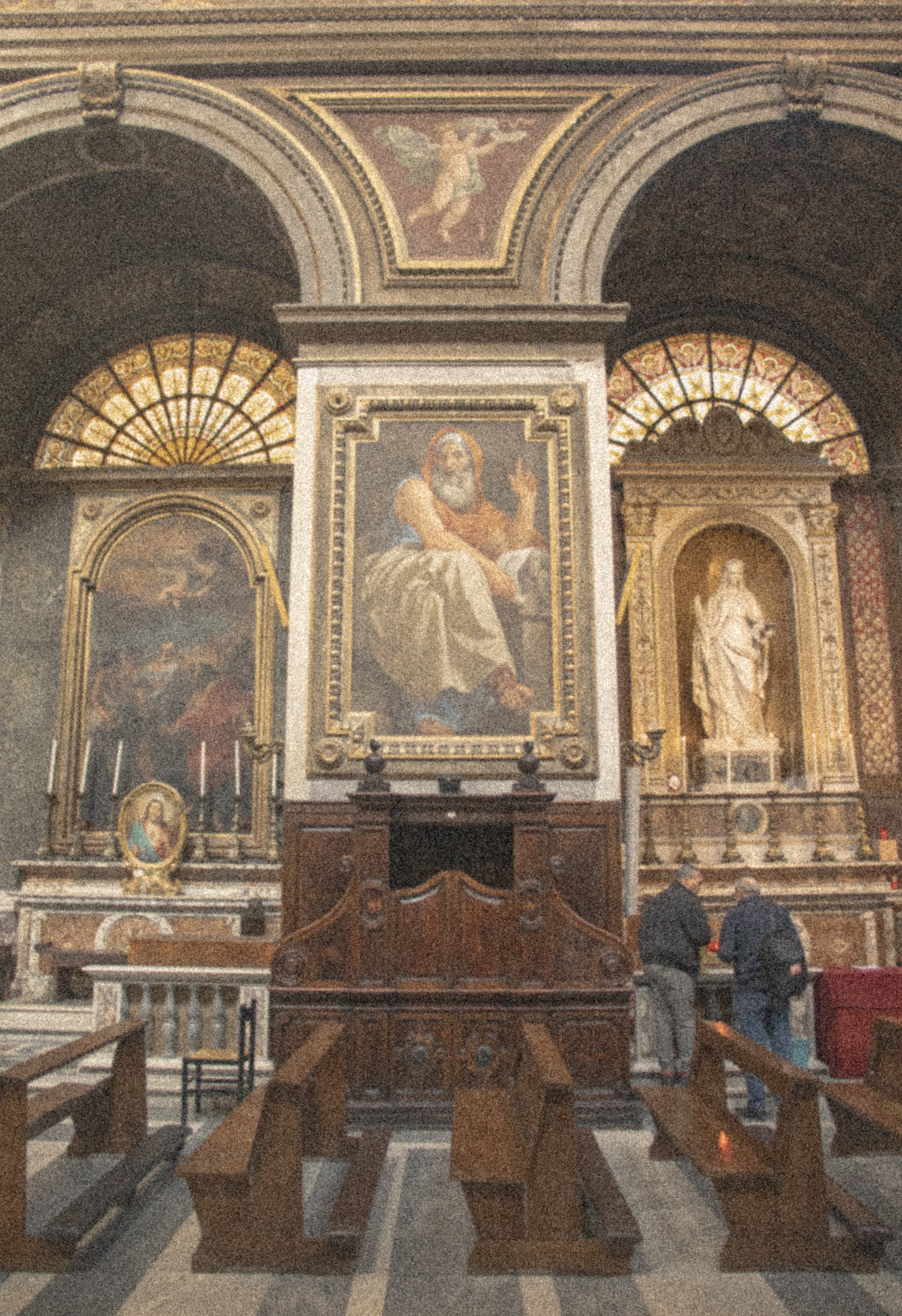
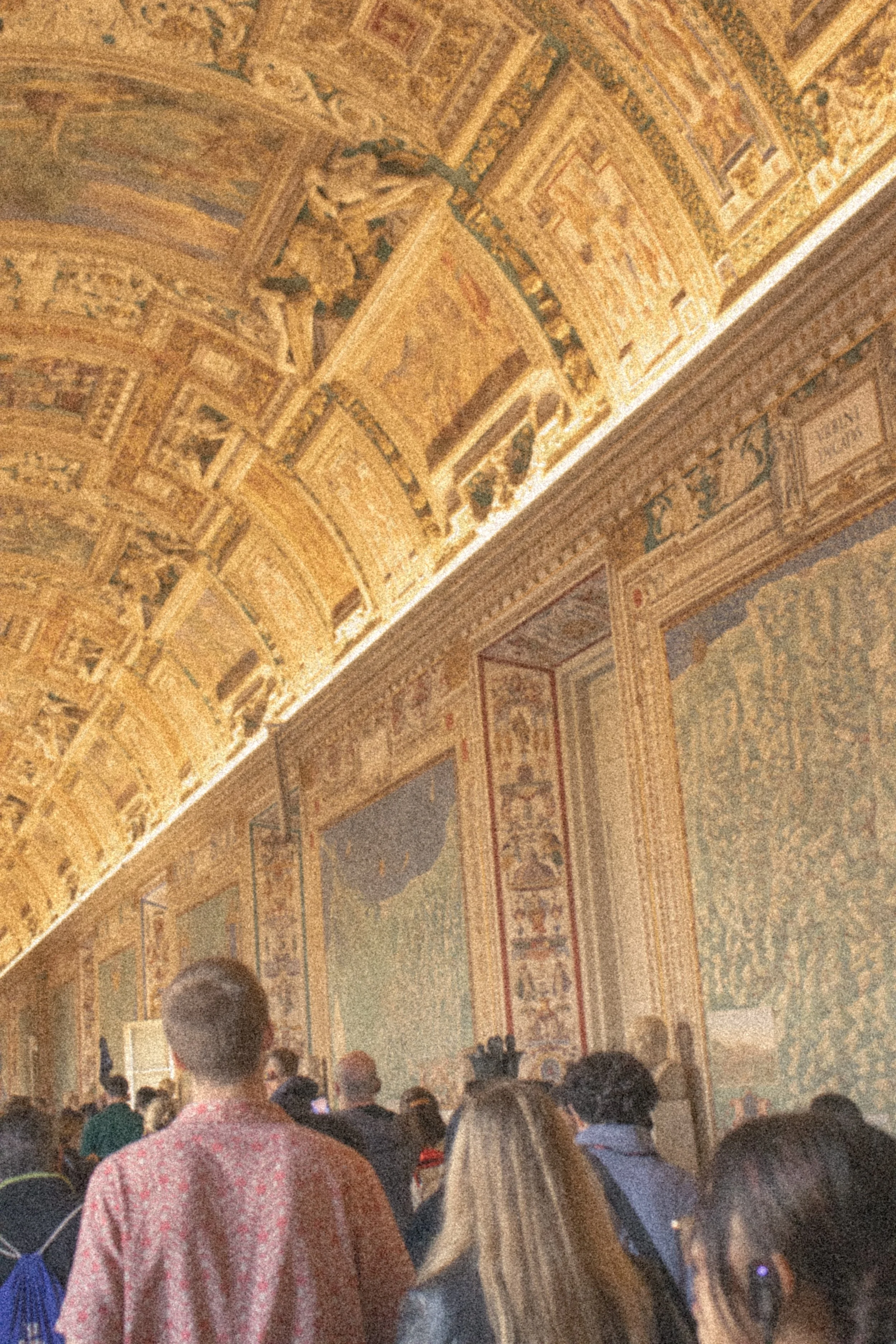
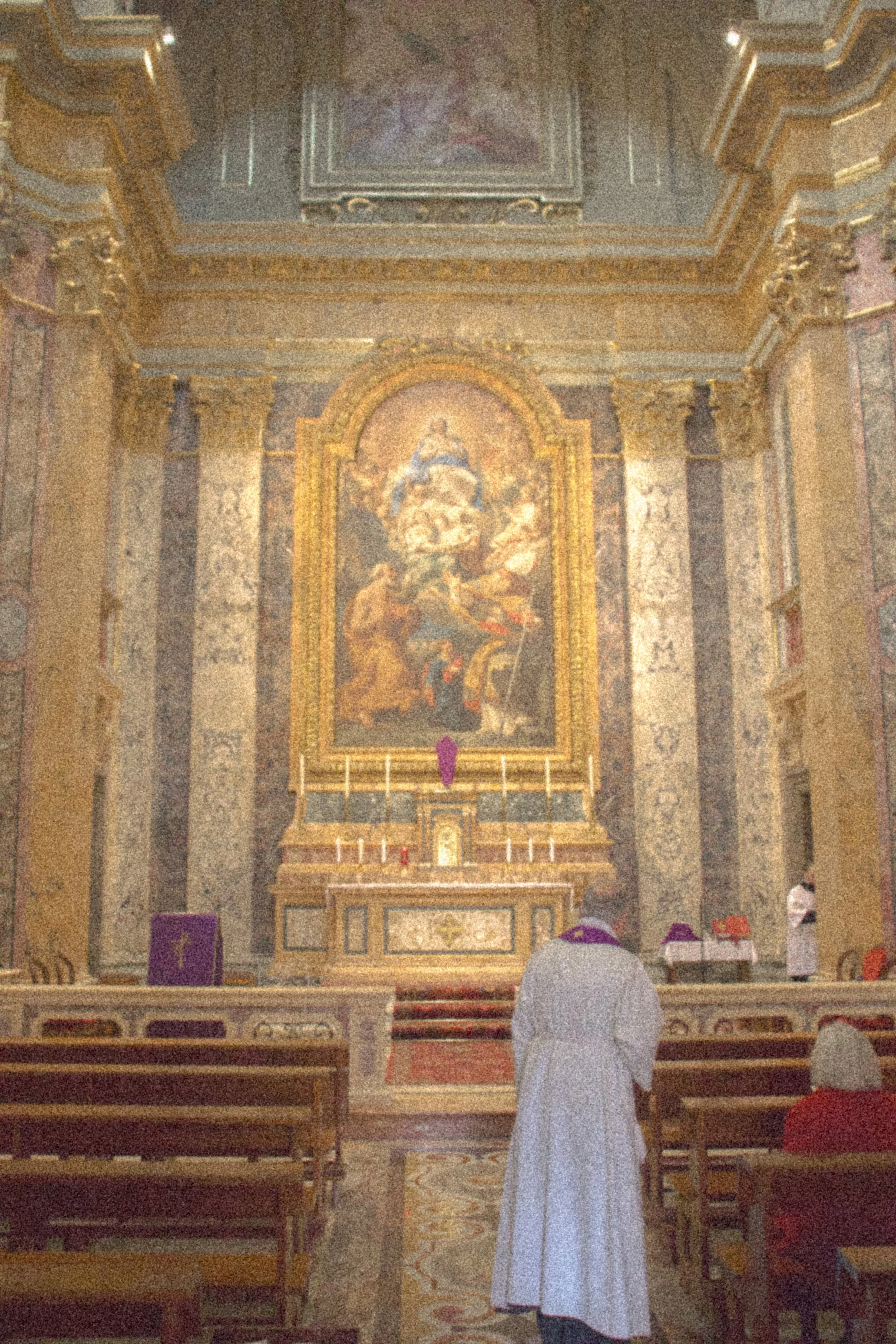
Inside the churches, the air is cool and heavy with incense. Your eyes take a moment to adjust and then the gold appears, rising from the darkness like something that was always there, waiting.
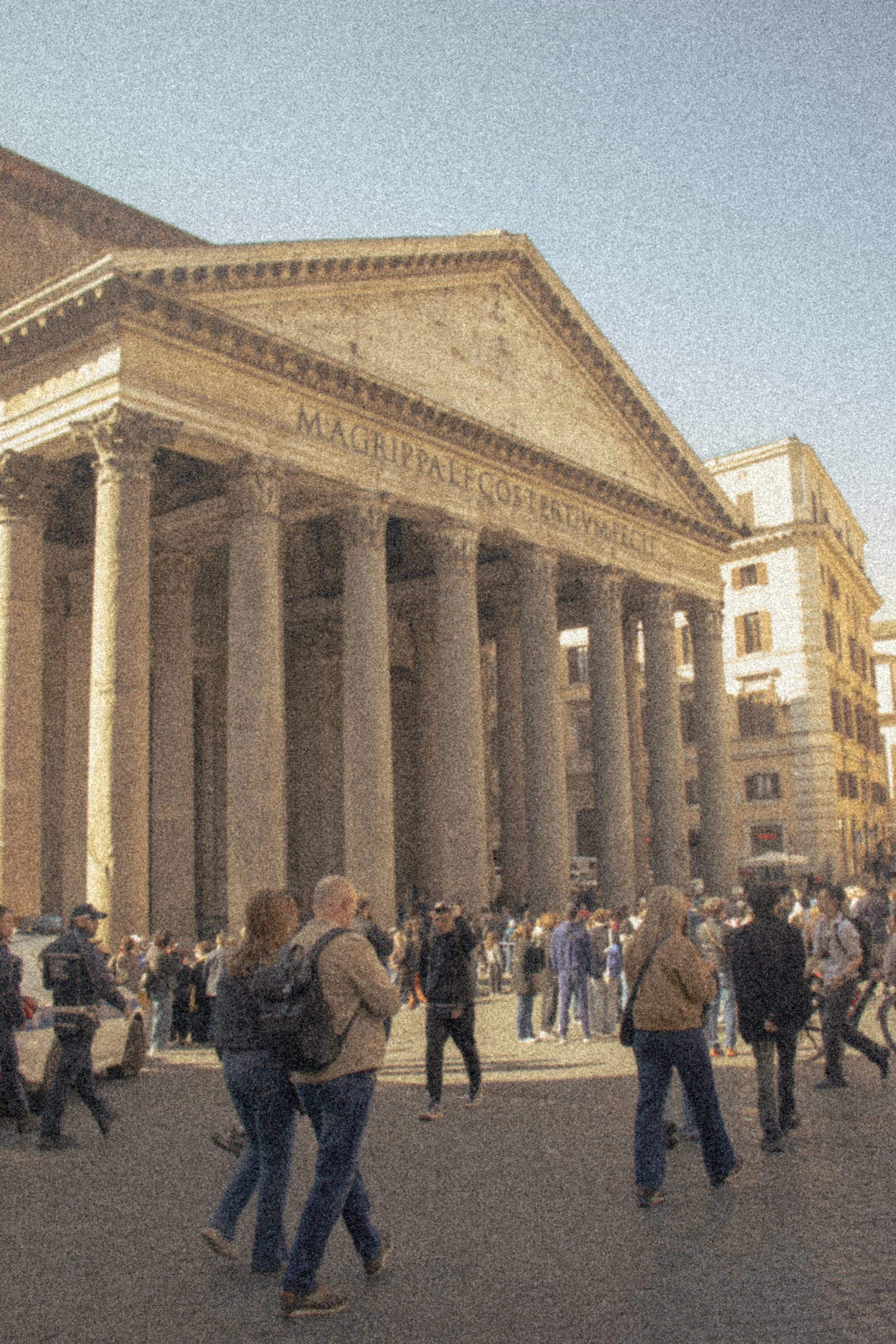
And the people. The way a Roman man sits at a café as if the city owes him nothing and everything, espresso untouched, cigarette burning slowly between two fingers. The way a woman walks through the Forum as if history is simply the floor beneath her feet. The sound of Italian spoken without effort, vowels that open like fruit.
The Rise of an Empire is not a series about ruins. It is a series about what survives: desire, beauty, And the body in its most essential form.
Rome taught me that sensuality is not an indulgence. It is a civilization.
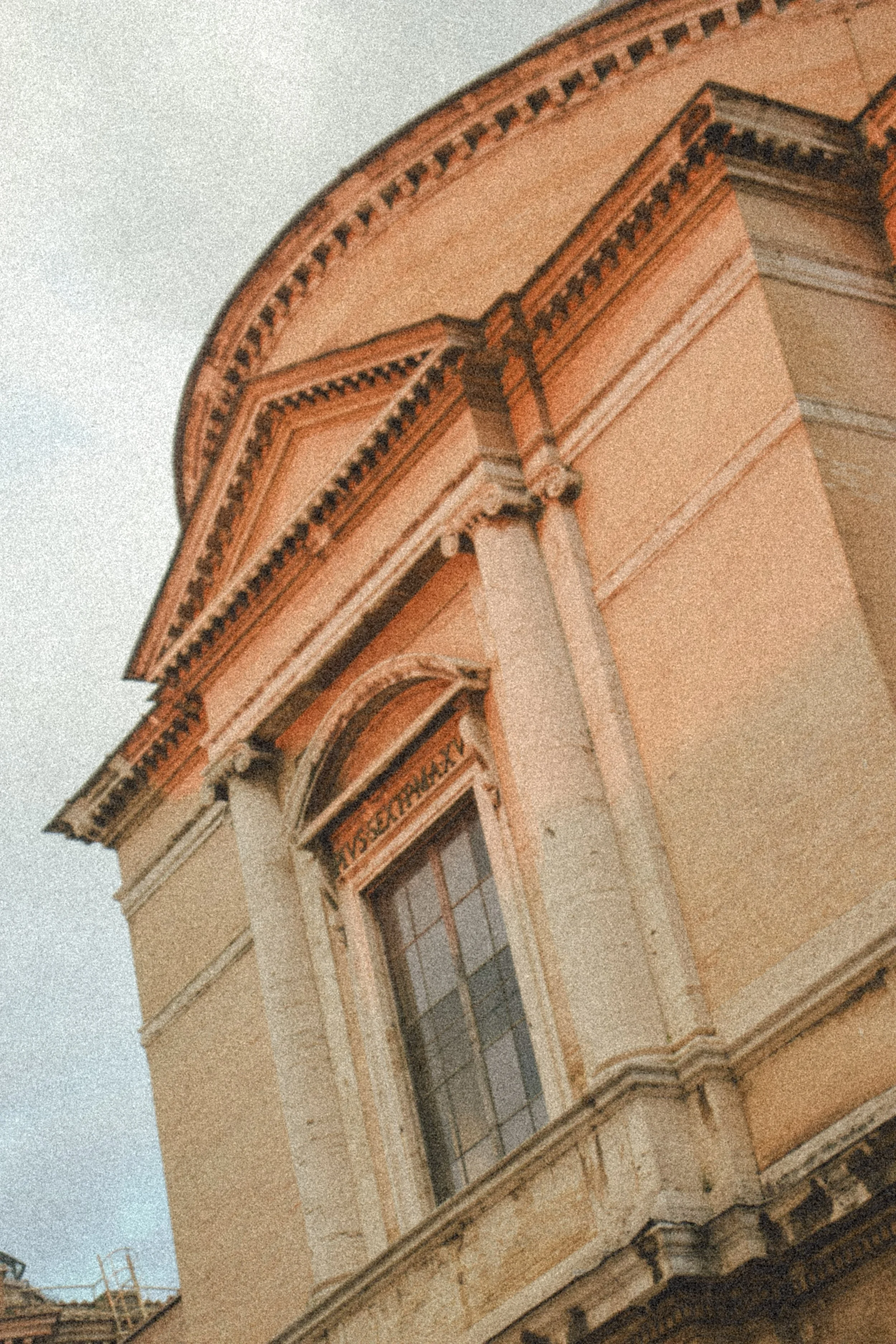
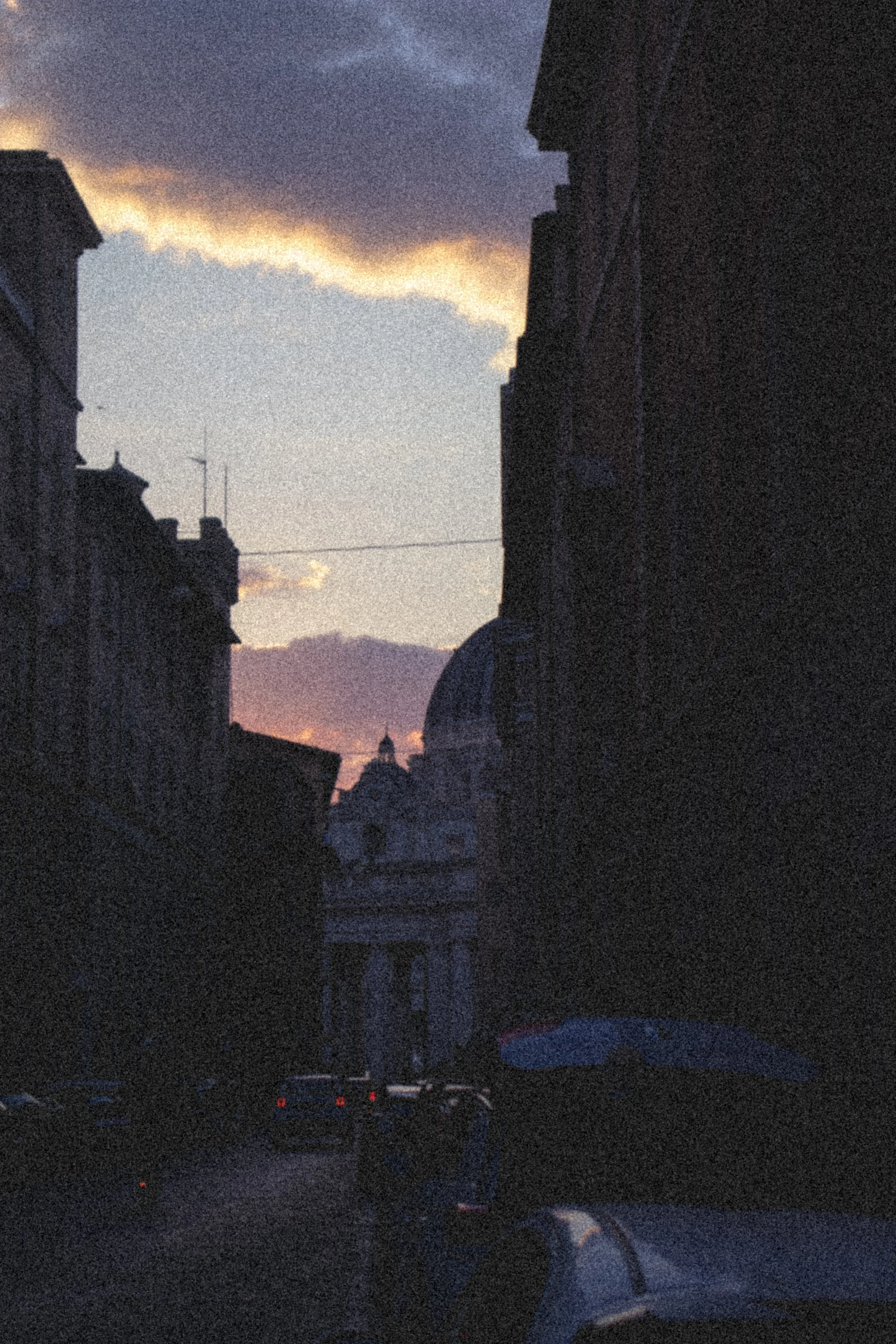
The spiritual
Rome prays differently.
Not quietly. Not privately. Rome prays with gold leaf and frescoes that reach thirty meters above your head, with organs that fill stone naves built to make the human body feel exactly what it is: small, brief, passing through.
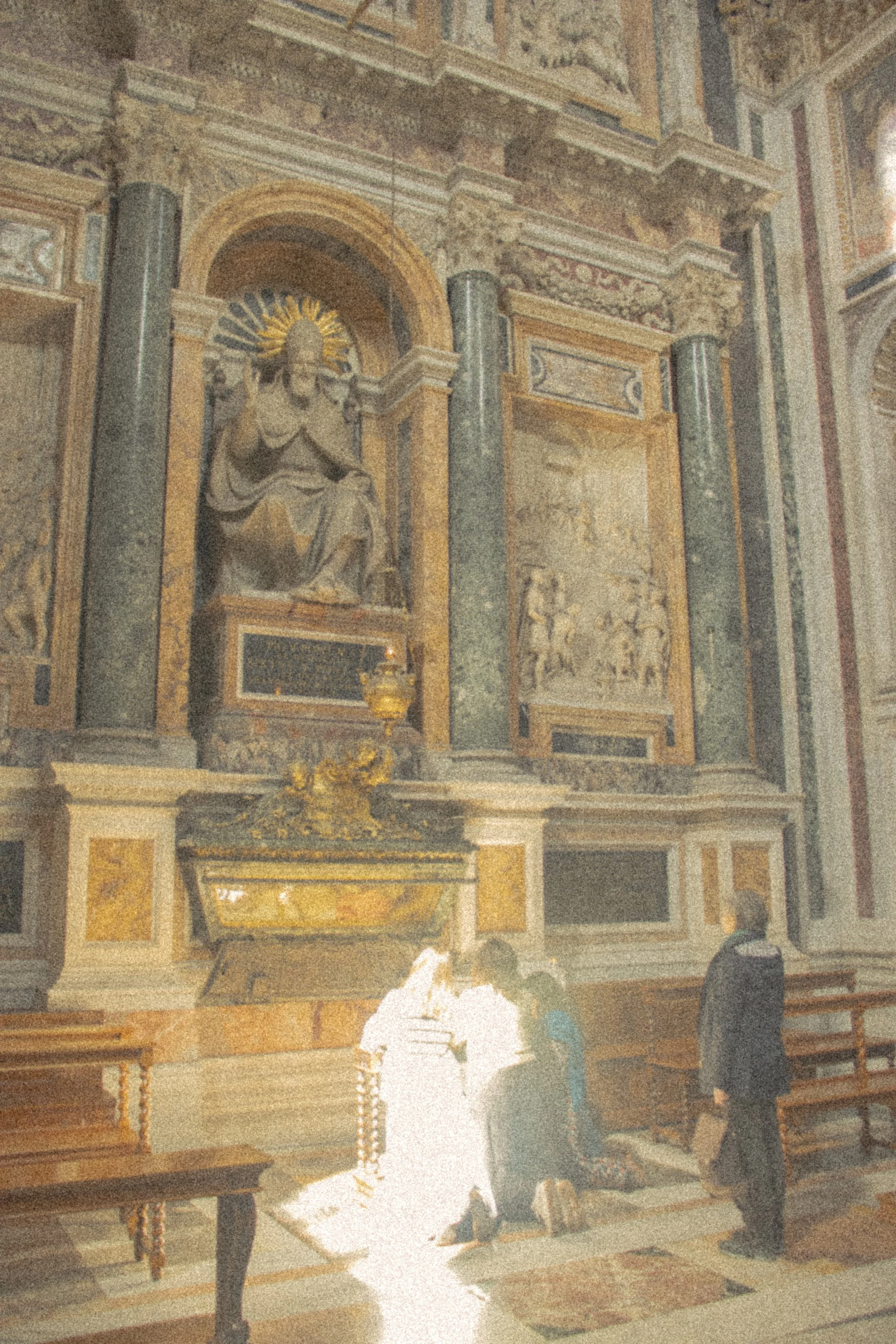
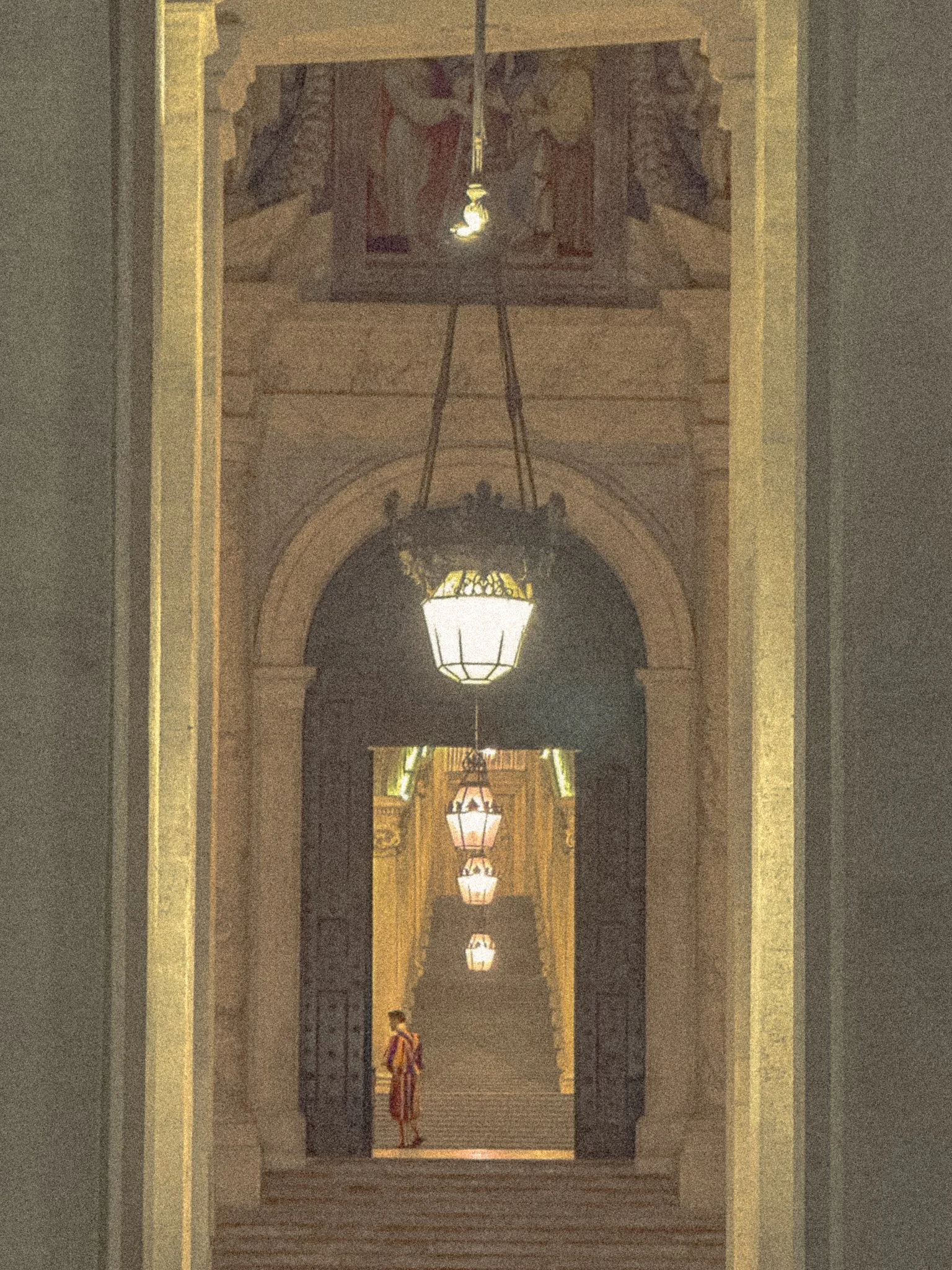
Step inside any church and the temperature drops. Not just the air. Something else. The darkness is intentional. The architects of the baroque understood that the eyes needed to be disoriented before they could truly see. And then the light finds you: a single shaft through a hidden window, landing on a gilded altar, on a saint's outstretched hand, on the face of someone kneeling in the third pew who has been coming here every morning for forty years.
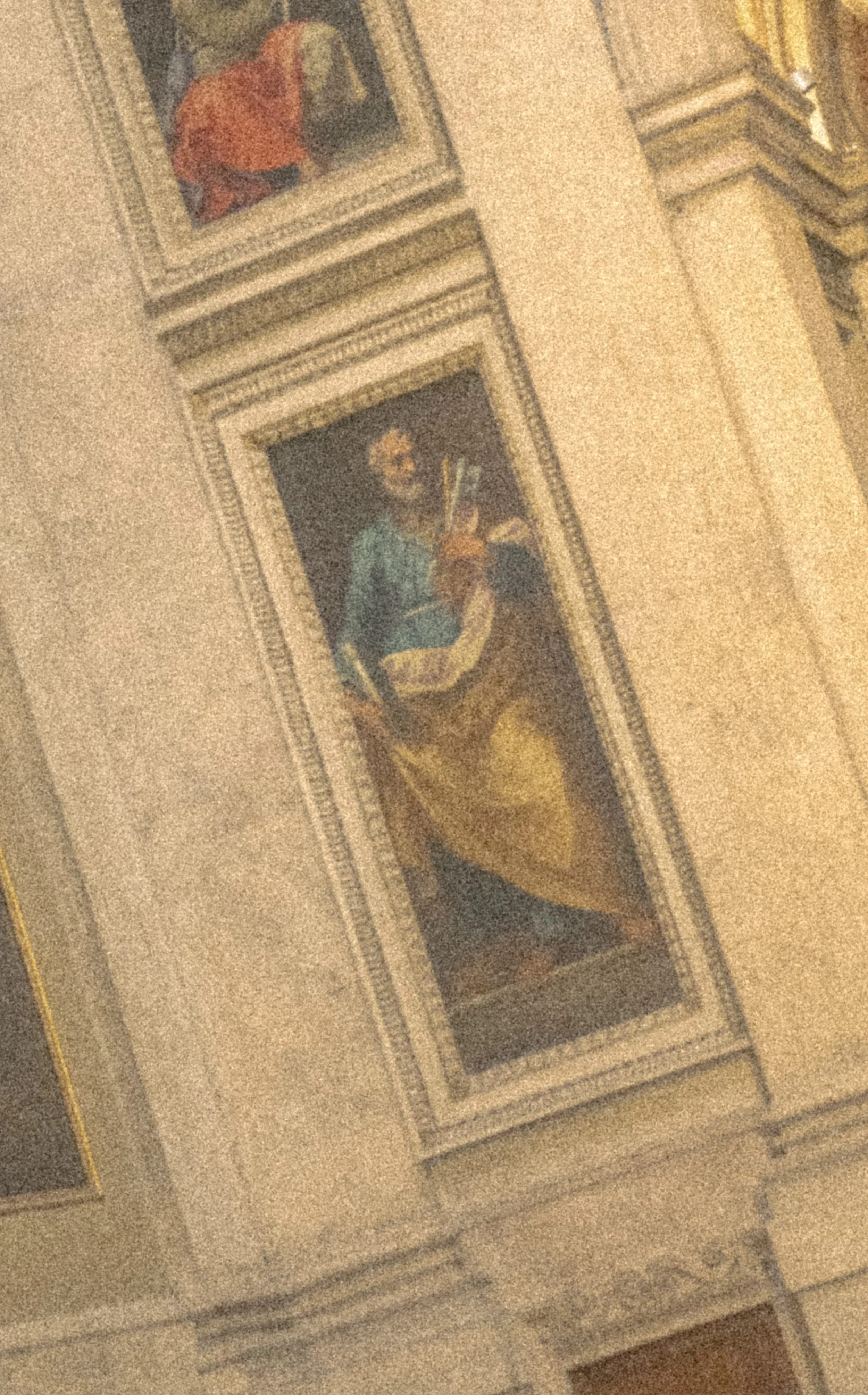
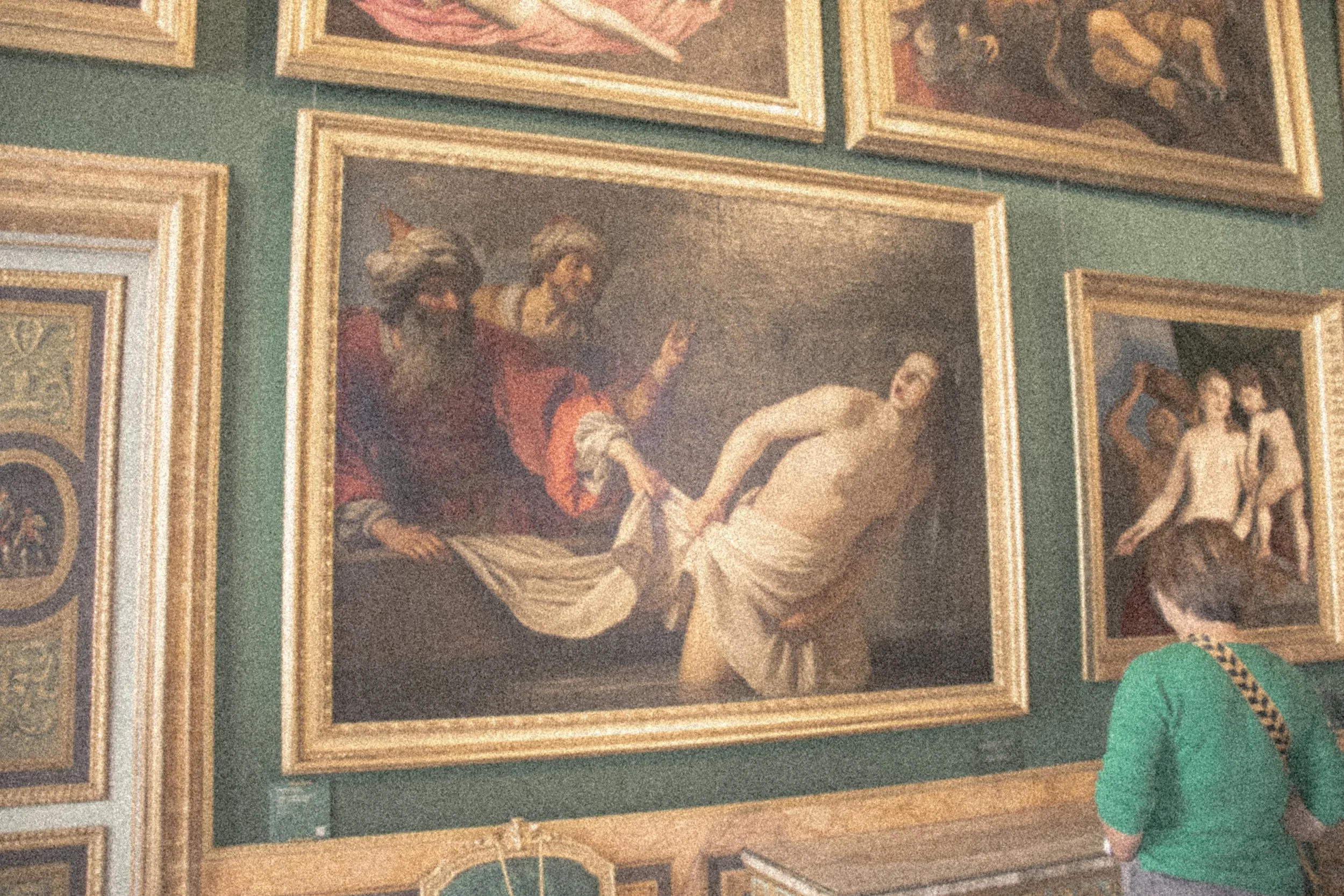
The sacred in Rome is never abstract. It has a body. Bernini's angels have muscles. His saints are in ecstasy. A physical, unmistakable, almost unbearable ecstasy to look at. The Church commissioned the most sensual artists it could find and asked them to make God visible. What they made instead was a desire directed upward, transfigured, but desire nonetheless.
The bells mark time differently here. A rhythm the city has kept for two thousand years, long before it was Christian, long before it had a name for what it was worshipping.
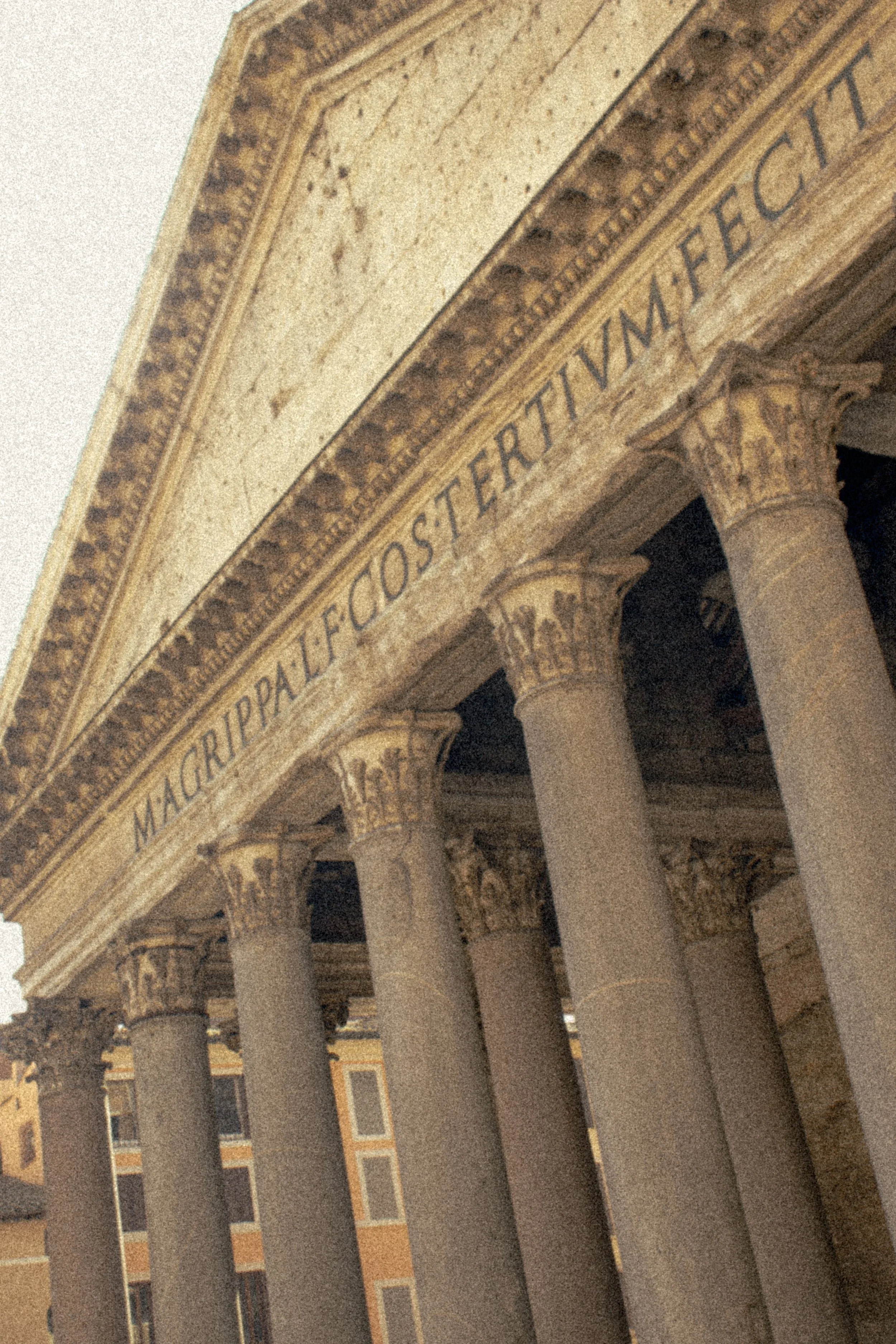
Walk through the Forum at dawn, before the tourists arrive. The silence is not empty. It carries the weight of every ritual ever performed on that ground: sacrifices, processions, prayers spoken in languages no one remembers. The sacred and the imperial were never separate here. Power needed the gods. The gods needed Rome.